Thinking about updating your living room and wondering if modern pendant lights are the way to go? You’re in luck! They’re a fantastic choice for adding both style and function, completely transforming your space. Let’s dive into how you can make them work for you.
Modern pendant lights Lahasuk aren’t just about illumination; they’re statement pieces that can truly define the mood and aesthetic of your living room. Forget those old-fashioned, dusty chandeliers. We’re talking sleek lines, interesting materials, and designs that feel current and effortlessly chic.
Why Pendant Lights are a Living Room Game-Changer
- Directional and Ambient Lighting: Unlike a single overhead fixture, pendants can be strategically placed. You can have one hanging over a coffee table for focused light, or a cluster to cast a wider, more atmospheric glow. This layered approach is key to a well-lit room.
- Defining Zones: In open-plan living spaces, a well-placed pendant can act as a visual anchor, subtly separating the living area from a dining or kitchen space. It’s a soft way to create definition without walls.
- Adding Personality: The sheer variety of modern pendant designs means you can find something that perfectly reflects your taste. From minimalist metal spheres to intricate geometric structures, they’re a canvas for your interior style.
Understanding the “Modern” in Modern Pendant Lights
When we say “modern,” what are we really talking about? It’s not just about being new. Modern design often emphasizes:
- Simplicity: Clean lines, uncluttered forms, and a lack of excessive ornamentation.
- Materials: Think metals like brushed nickel, brass, matte black, and even some newer composites. Glass is also popular, often in clear, smoked, or frosted finishes.
- Functionality: While stylish, these lights are designed to perform. They offer practical lighting solutions for everyday living.
Choosing the Right Pendant for Your Living Room Layout
The size and layout of your living room are the first things to consider. A tiny fixture in a vast room will look lost, while an oversized pendant in a compact space can feel overwhelming.
Single Pendant Power
Sometimes, one is all you need. A single, impactful pendant can be the star of the show.
Over the Coffee Table: A Focal Point
Placing a pendant directly above your coffee table is a classic and effective choice. It draws attention to the center of the living area and provides task lighting for reading, placing drinks, or even board games.
- Size Matters: Ensure the pendant isn’t so large it obstructs views or feels like it’s about to bump into someone’s head. A good rule of thumb is to have it hang at least 30-36 inches above the tabletop.
- Design Flow: Choose a pendant that complements the style of your coffee table and the overall room decor. A sleek, minimalist pendant with a glass shade might work well with a modern wooden table, for instance.
Asymmetrically Placed for a Twist
Don’t feel confined to the dead center. Sometimes, slightly off-center placement can add an unexpected visual interest and still serve a functional purpose. This works particularly well if you have a longer, narrower coffee table or want to highlight a particular seating arrangement.
Groupings and Clusters: Creating Visual Interest
For larger living rooms or when you want to make a stronger design statement, multiple pendants can be incredibly effective.
The Linear Arrangement
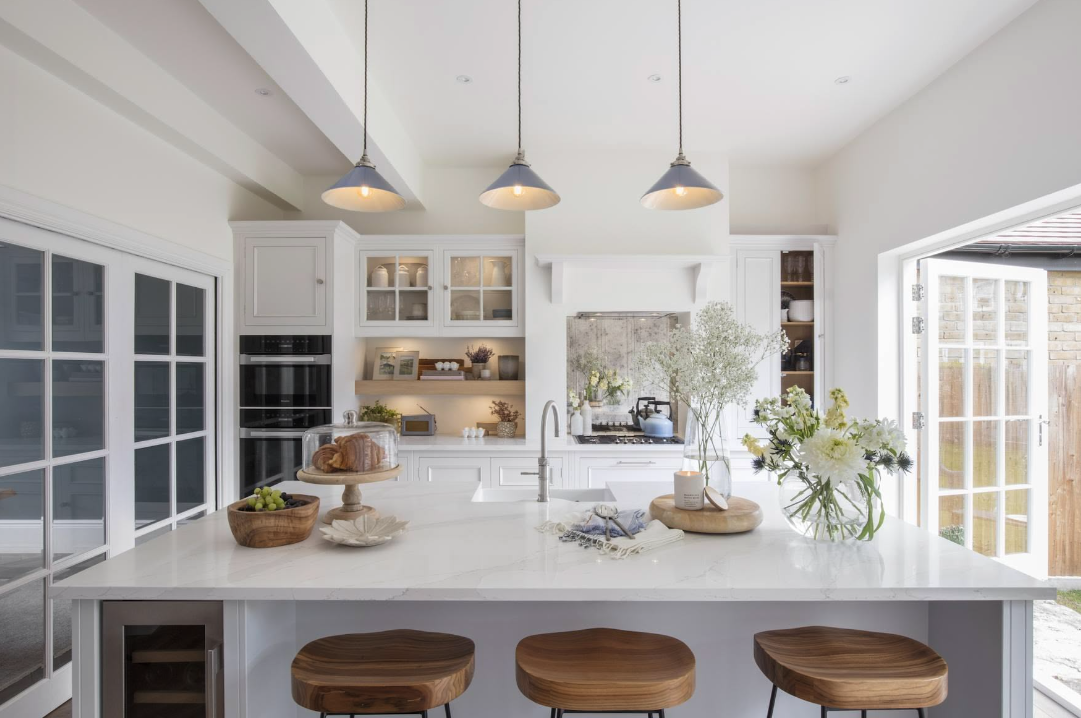
Hanging several pendants in a straight line, often at the same height, is a sophisticated look. This is particularly effective over longer coffee tables, fireplaces, or as a subtle room divider.
- Spacing is Key: The distance between pendants should be balanced. Aim for roughly 18-24 inches between each fixture for a harmonious visual flow.
- Uniform vs. Varied: You can opt for identical pendants for a clean, modern look, or mix and match pendants of similar style but different sizes or finishes for a more eclectic feel.
The Cluster: A Modern Chandelier Alternative
A cluster of pendants, often varying in height and sometimes even design, can create a breathtaking focal point. This approach mimics the grandeur of a chandelier but with a distinctly contemporary edge.
- Consider the Canopy: When using a cluster, pay attention to the canopy plate – the part that attaches to the ceiling. Ensure it’s appropriately sized to anchor the arrangement.
- Height Variation: Mixing heights in a cluster adds dynamism and depth. Experiment with where each pendant hangs to create an appealing visual balance.
Material Matters: The Look and Feel of Modern Pendants
The material of your pendant light significantly influences its aesthetic and how it interacts with light.
Metal Finishes: Sleek and Sophisticated
Metal is a go-to for modern pendant lights, offering durability and a range of finishes that can dramatically alter the mood.
Brushed Nickel and Chrome: Cool and Contemporary
These finishes offer a clean, reflective surface that fits perfectly into modern and minimalist interiors. They tend to bounce light well, contributing to a brighter feel.
Matte Black: Bold and Dramatic
Matte black has become incredibly popular for its sophisticated and understated drama. It’s versatile, working equally well in minimalist, industrial, or even eclectic setups. It can absorb light, making it a good choice when you want a more subdued glow.
Brass and Gold Tones: A Touch of Warmth
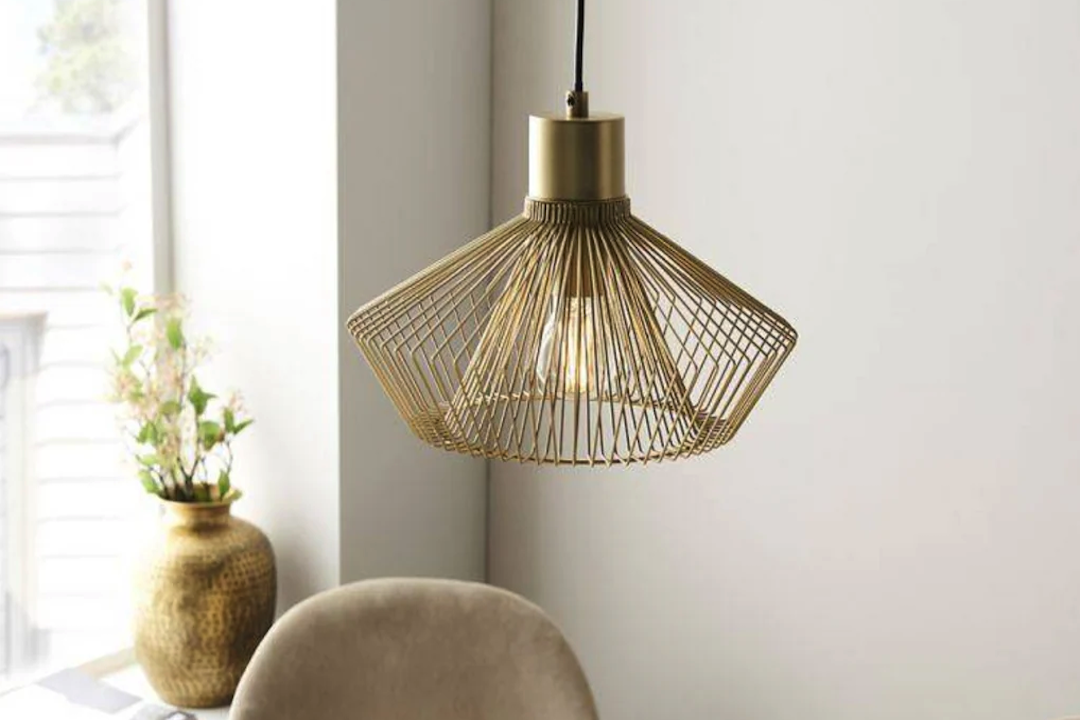
While you might associate brass with traditional styles, polished or brushed brass and gold finishes on modern pendant designs can add a touch of unexpected warmth and luxury to a contemporary space. They’re excellent for adding a bit of glamour.
Glass Finishes: Transparency and Diffusion
Glass allows for a range of effects, from crystal-clear clarity to soft, diffused light.
Clear Glass: Airy and Unobstructed
Pendants with clear glass shades are excellent for showcasing decorative bulbs and maintaining an open, airy feel. They are also great for showing off the design of the pendant itself.
Frosted or Opal Glass: Softening the Glow
Frosted or opal glass diffuses light, creating a softer, more ambient glow. This can be ideal for creating a cozy atmosphere in a living room and preventing harsh glare, especially if the pendant is in your direct line of sight.
Smoked or Tinted Glass: Atmospheric Depth
Smoked or tinted glass shades (like amber or grey) add a layer of atmosphere and visual interest. They can cast a subtle hue and contribute to a moodier, more sophisticated ambiance.
Other Materials: Adding Texture and Uniqueness
Beyond metal and glass, other materials are making their mark.
Wood Accents: Natural Warmth
Some modern pendants incorporate wood elements, either as part of the shade, the stem, or decorative details. This adds a natural, organic touch and can help warm up a more industrial or minimalist space.
Concrete or Ceramic: Industrial and Sculptural
Materials like concrete or ceramic are being used in pendant designs to create strong, sculptural forms. These often have an industrial or artisanal feel and can add a unique textural element to your decor.
Lighting Quality and Bulb Choice: Function Meets Form
The light your pendant emits is just as important as its appearance. Bulb choice plays a crucial role in this.
Understanding Light Levels (Lumens)
Lumens indicate the brightness of a bulb. For a living room, you’ll likely want a mix of ambient and task lighting.
- Ambient Lighting: For general illumination, aim for around 10-20 lumens per square foot of living room space. You might achieve this with several lower-lumen bulbs or one brighter one.
- Task Lighting: If your pendant is specifically for reading or other close-up activities, you’ll want a brighter bulb or a more focused beam.
Color Temperature (Kelvin)
This refers to the warmness or coolness of the light.
- Warm White (2700K – 3000K): This is ideal for living rooms. It mimics the warm glow of incandescent bulbs, creating a cozy, inviting, and relaxing atmosphere.
- Cool White (4000K+): This can feel sterile and is generally better suited for tasks needing higher visibility, like kitchens or workspaces, rather than a living room lounge.
Bulb Types: LED Dominates
LED bulbs are the clear winner for modern pendant lighting due to their energy efficiency, long lifespan, and versatility.
Dimmable LEDs: Unmatched Control
Opting for dimmable LED bulbs (and a compatible dimmer switch) is a game-changer. It allows you to adjust the mood of your living room on demand – bright for entertaining, dim and cozy for movie nights.
Decorative or Edison-Style Bulbs
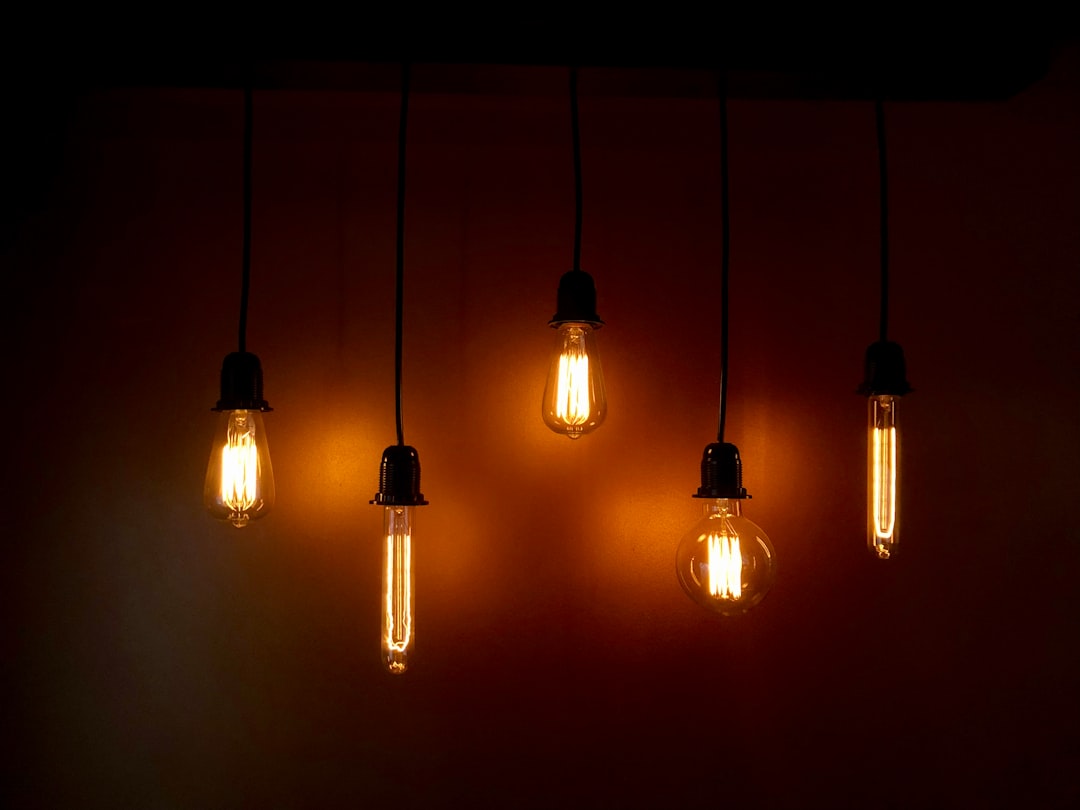
Many modern pendants are designed to be showcased with decorative bulbs. These often mimic the look of vintage Edison bulbs with visible filaments, adding a touch of retro charm. Ensure they are LED versions for energy savings.
Installation and Placement: Getting it Right
Proper installation and thoughtful placement are crucial for both aesthetics and safety.
Ceiling Height Considerations
Your ceiling height is a primary factor in how low a pendant can hang.
- Standard Ceilings (8-9 feet): Most pendants will hang comfortably. Ensure there’s at least 7 feet of clearance from the floor to the bottom of the pendant to avoid head-bumping.
- High Ceilings (10+ feet): You can afford to hang pendants lower to fill the vertical space and bring the light source down closer to the living area. This can make the space feel more intimate.
- Low Ceilings: If your ceilings are very low, consider flush-mount or semi-flush mount fixtures instead. If you love pendants, choose models that hang higher or have a more compact profile.
Wiring and Electrical Work
- DIY vs. Professional: While some simple installations might be manageable for a confident DIYer, it’s often best to hire a qualified electrician for pendant light installation. They can ensure all wiring is safe, up to code, and correctly connected.
- Existing Fixture Swap: If you’re replacing an existing ceiling fixture, the wiring is likely already in place. However, the junction box might need to be reinforced if you’re installing a heavier pendant.
- New Wiring: If you want to add a pendant where there wasn’t one before, you’ll need new wiring run from the switch or power source, which definitely requires an electrician.
Placement Strategies for Different Living Room Features
- Over a Fireplace: A single, well-centered pendant suspended over a fireplace mantel can create a dramatic focal point, especially when the fireplace is not in use.
- Near Seating Areas: Position pendants to illuminate reading nooks or conversation areas without casting glare on people’s faces.
- Framing a View: If you have a beautiful window or piece of art, a pendant can be used to subtly draw attention to it without blocking the view.
Beyond the Basics: Advanced Tips for a Stunning Look
Once you’ve grasped the fundamentals, here are some ideas to really elevate your living room with pendant lights.
Layering Light Sources
Pendants are rarely the only light source in a living room. Think about how they’ll work with other lighting.
- Floor and Table Lamps: These provide essential task and accent lighting. Ensure the color temperature and style of bulbs in your lamps complement your pendant lights.
- Wall Sconces: If you have them, consider how their light contributes to the overall ambiance.
- Natural Light: Think about how your pendants will look during the day, when natural light is present.
Using Pendants as Art
Don’t underestimate the sculptural quality of modern pendant lights. Some are so uniquely designed that they function as art pieces in themselves, regardless of whether they are switched on.
- Think About Form and Silhouette: Consider how the pendant looks from different angles. Does it have an interesting silhouette?
- Material Textures: The interplay of light and shadow on different materials can create fascinating visual effects.
Integrating Smart Home Technology
Many modern pendant lights are compatible with smart home systems, opening up new possibilities.
- Smart Bulbs: You can install smart bulbs in non-smart fixtures to control brightness, color temperature, and even color hues from your phone or voice assistant.
- Smart Switches: Upgrade your existing dimmer switch to a smart one for app or voice control of your entire lighting circuit.
- Automation: Set schedules for your lights to turn on or off, or create custom lighting scenes for different moods.
Harmonizing with Your Existing Decor
The key to successful integration is ensuring your pendant lights don’t feel like an afterthought.
- Color Palette: Choose finishes and colors that either complement or intentionally contrast with your existing wall colors, furniture, and decor.
- Scale and Proportion: As mentioned before, ensure the size of the pendant is appropriate for the room and the furniture it’s placed near.
- Style Consistency: While eclectic mixing can work, generally aim for a cohesive style. If your room is mid-century modern, lean towards pendants that echo that era. If it’s minimalist, keep the designs simple and clean.
Maintenance and Longevity
Modern pendant lights, especially those with quality materials and LED technology, can last for a long time with minimal fuss.
Cleaning Your Pendants
- Glass Shades: For glass, a soft, damp cloth with a mild, non-ammonia-based cleaner is usually sufficient. Dry thoroughly with a lint-free cloth to avoid streaks.
- Metal Finishes: Dust regularly with a soft cloth. For smudges on brushed or polished metals, use a cleaner specifically designed for that finish and a soft cloth, always wiping in the direction of the grain if applicable.
- Bulb Replacements: If you’ve chosen high-quality LED bulbs, they should last for tens of thousands of hours, so replacements will be infrequent. Always ensure the power is off at the breaker before attempting any bulb changes.
Checking Connections
Periodically, especially during your cleaning routine, it’s wise to give the fixture a gentle check for any signs of looseness in the wiring connections or the mounting hardware. If you notice anything concerning, it’s best to have a professional electrician take a look.
Dealing with Burned-Out Bulbs
When an LED bulb does eventually give out, replacing it is usually straightforward. Just ensure you purchase a bulb with the same base type and wattage (or equivalent lumens) and that it’s compatible with your dimmer, if applicable. Dispose of old bulbs responsibly, as some recycling programs exist for electronics.
By thoughtfully selecting and strategically placing modern pendant lights, you can do more than just brighten your living room; you can elevate its entire atmosphere, making it a more stylish, functional, and enjoyable space to live in.