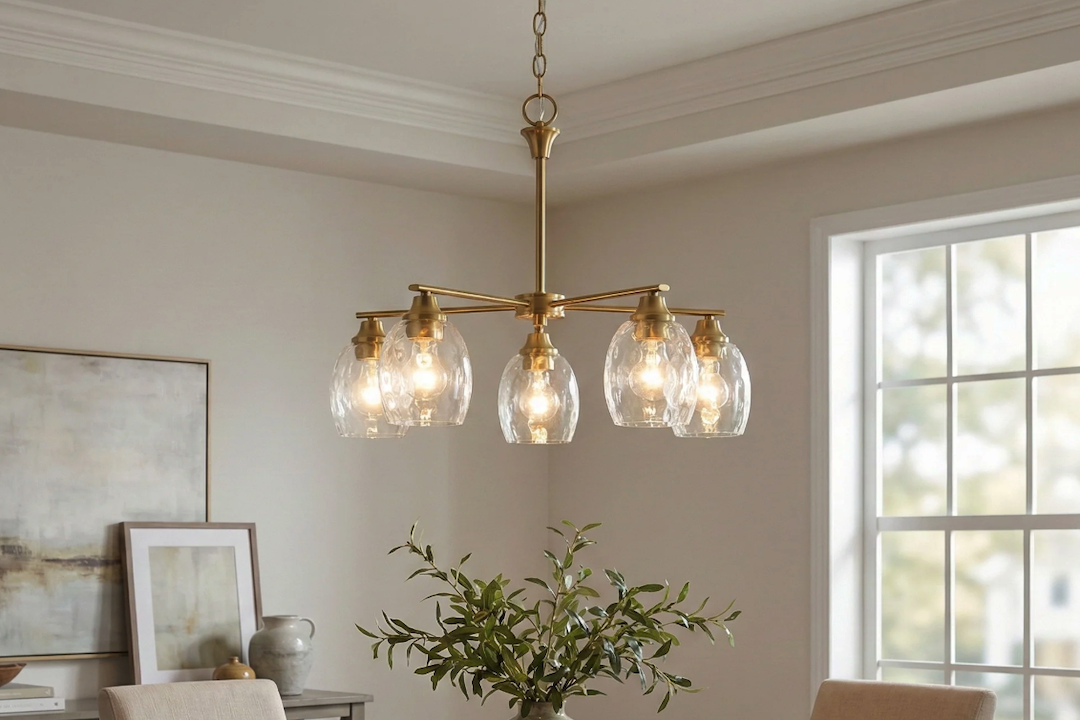
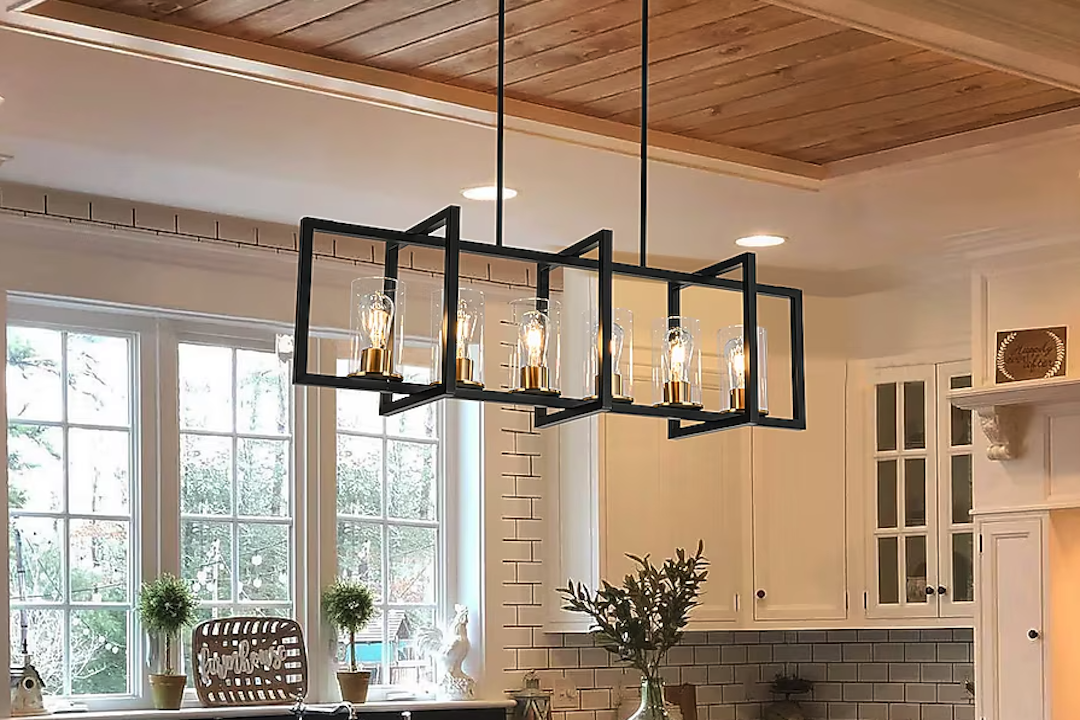
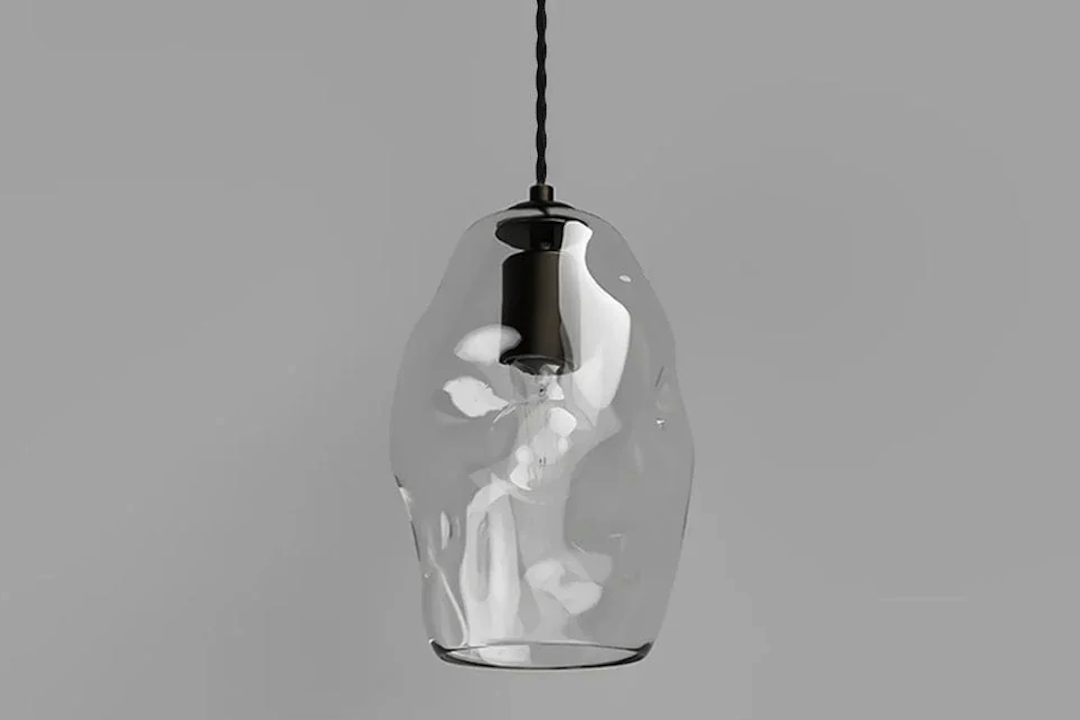
Hanging a retro glass ceiling pendant light above your kitchen island is a fantastic way to add character and focused illumination to this central workspace. It can transform the look and feel of your kitchen, providing both practical light for tasks and a stylish focal point.
Choosing a retro glass pendant isn’t just about aesthetics; it’s about blending functionality with a particular design sensibility. These lights Miilighting offer unique advantages that modern alternatives often miss.
The Appeal of Retro Design
Retro designs draw inspiration from past eras, bringing a sense of nostalgia and timelessness. For your kitchen island, this translates to a light fixture that isn’t just a fleeting trend.
Understanding “Retro”
Retro doesn’t mean old or antique. Instead, it refers to styles that consciously evoke earlier periods – perhaps the Art Deco era, mid-century modern, or even industrial styles from the early 20th century. With glass pendants, this often means specific shapes, textures, and even the tint of the glass.
Beyond Just Lighting
A retro pendant becomes a design statement in itself. It can tie together other vintage-inspired elements in your kitchen or act as a striking contrast in a more contemporary setting. It adds personality and warmth.
Functional Benefits of Pendant Lighting
Beyond looks, pendants are highly practical, especially over a kitchen island where you do a lot of prep work.
Task Lighting Efficiency
Pendant lights hang lower than general ceiling fixtures, directing light downwards onto your work surface. This reduces shadows and provides concentrated illumination exactly where you need it for chopping, mixing, and other kitchen tasks.
Ambient Glow Contribution
While excellent for tasks, a well-chosen glass pendant can also contribute to the overall ambient light in your kitchen. Depending on the glass type – clear, frosted, or textured – the light diffuses differently, creating various atmospheres.
Key Considerations When Choosing
Selecting the right retro glass pendant involves more than just picking one you like. Several practical factors need to be weighed to ensure it fits your space and needs.
Sizing and Spacing Matters
Getting the dimensions right is crucial for both aesthetics and functionality. An ill-sized pendant can look awkward or provide inadequate light.
Island Dimensions and Pendant Scale
A good rule of thumb is that the pendant (or pendants, if you’re using more than one) should be proportionate to your island’s length and width. For a larger island, multiple smaller pendants or one larger, more substantial piece might be appropriate. For example, fixtures that are one-third to one-half the width of your island are often a good starting point.
Hanging Height Guidelines
The ideal hanging height for island pendants is typically 30-36 inches (76-91 cm) from the bottom of the fixture to the countertop. This allows for ample headroom without blinding anyone while seated or standing at the island, and effectively illuminates the work surface. Adjust this based on ceiling height and individual preferences.
Glass Type and Light Diffusion
The type of glass is a defining characteristic of retro pendants and significantly impacts the light quality.
Clear Glass for Maximum Brightness
Clear glass pendants offer unobstructed light output. They are excellent for task lighting where you want the most intense illumination. However, they can sometimes highlight dust or imperfections on the bulb itself, and may create glare if the bulb is exposed and powerful.
Frosted or Etched Glass for Softness
Frosted or etched glass diffuses the light, creating a softer, more even glow. This is often preferred for a warmer, more inviting ambient light, reducing harsh shadows and glare. It can be a good choice if your island lighting needs to serve a dual purpose of task and mood.
Textured or Ribbed Glass for Unique Patterns
Textured or ribbed glass adds a layer of visual interest to the fixture and casts unique light patterns. Think mid-century modern fluted glass or industrial prismatics. These can create beautiful effects on surrounding surfaces, adding character to your kitchen.
Bulb Selection is Important
Beyond the fixture itself, the bulb you choose will dictate the light’s appearance and efficacy.
LED for Efficiency and Longevity
LED bulbs are the standard recommendation due to their energy efficiency, long lifespan, and cool operating temperature. They come in various color temperatures and brightness levels (lumens).
Color Temperature (Kelvin)
For kitchens, a color temperature in the range of 2700K (warm white) to 4000K (cool white) is generally preferred. Warmer temperatures (2700K-3000K) create a cozy, inviting atmosphere, while cooler temperatures (3500K-4000K) are often perceived as better for tasks as they resemble natural daylight more closely.
Dimmer Compatibility
Consider bulbs that are compatible with dimmer switches. This allows you invaluable flexibility to adjust the light output from bright task lighting to a subdued, ambient glow for entertaining or evening relaxation.
Styles and Eras to Explore
“Retro” is a broad term. Delving into specific design eras can help you pinpoint the exact aesthetic you’re aiming for.
Industrial Chic
Drawing inspiration from factories and utilitarian spaces, industrial-style retro pendants are rugged yet refined.
Materials and Finishes
Often featuring metal components like brass, copper, or steel, sometimes with a distressed or aged finish. The glass might be thick, caged, or prismatic. Exposed bulbs are common.
Typical Shapes
Shapes tend to be robust and functional – think dome shades, bell shapes, or simple, geometric forms. The goal is often an unembellished, honest aesthetic.
Mid-Century Modern Sophistication
This era, roughly from the 1940s to the 1960s, is characterized by clean lines, organic shapes, and a blend of natural and manufactured materials.
Distinctive Glass Treatments
Often features opaline glass (milky white), colored glass (smoked, amber, or even vibrant hues), or layered/stacked glass designs. Geometric patterns or sculptural forms are prevalent.
Iconic Forms
Look for Sputnik-inspired designs, globe pendants, or elongated, tapered forms. These fixtures often have a delicate yet impactful presence. They emphasize simplicity and elegance.
Art Deco Glamour
The 1920s and 30s brought forth Art Deco, a style known for its luxurious materials, geometric patterns, and symmetrical designs.
Geometric Patterns and Frosted Glass
Art Deco pendants frequently incorporate stepped designs, fluting, or precise geometric etching on frosted or sandblasted glass. The aim is often a sense of grandeur and stylized elegance.
Chrome and Brass Accents
Polished chrome or brass are common metallic accents, further enhancing the glamorous feel. Think of elegant, tiered forms that evoke the architecture of the era.
Installation and Maintenance Advice
Even a beautiful light fixture needs to be properly installed and cared for to function well and look good.
Professional Installation Recommended
While some DIY enthusiasts might tackle light fixture installation, it’s generally best to hire a qualified electrician.
Electrical Safety
Working with electricity carries inherent risks. An electrician ensures the wiring is correct, codes are met, and the fixture is safely secured, preventing potential hazards like shocks or fires.
Secure Mounting
Kitchen island pendants can be heavy, especially those with substantial glass components. An electrician confirms proper mounting to ceiling joists or adequate blocking, ensuring the fixture won’t fall.
Keeping Your Glass Pendant Sparkling
Regular cleaning will maintain the light output and aesthetic appeal of your pendant.
Gentle Cleaning Techniques
For most glass pendants, a soft microfiber cloth dampened with a mild glass cleaner or a solution of water and a tiny amount of dish soap is sufficient. Avoid abrasive cleaners or strong chemicals which can etch or damage the glass finish.
Bulb Replacement Tips
Always turn off the power at the circuit breaker before attempting to change a bulb. Allow the fixture and bulb to cool down, especially with older incandescent bulbs, before handling. Use gloves to avoid transferring oils from your hands to clear bulbs, which can cause hot spots and reduce bulb lifespan.
Common Mistakes to Avoid
A few pitfalls can prevent your retro glass pendant from being as effective or appealing as it could be.
Overlighting or Underlighting
One common issue is having too few or too many pendants, or bulbs that are too bright or too dim. This can lead to either insufficient task light or an overwhelming glare. Carefully assess your island size and actual lighting needs. Use dimmers to provide flexibility.
Disregarding Scale and Proportion
A tiny pendant over a massive island or a huge fixture dominating a small space will look out of place. Always consider the visual weight and physical dimensions of the fixture relative to your island and the overall kitchen layout. Achieving balance is key.
Ignoring the Kitchen’s Overall Style
While a retro pendant can be a focal point, it should ideally complement other elements in your kitchen, even if it’s an eclectic mix. Make sure the style, metal finishes, and glass type don’t clash harshly with your existing cabinetry, hardware, or backsplash. A cohesive look, even with differing elements, creates a more polished result.