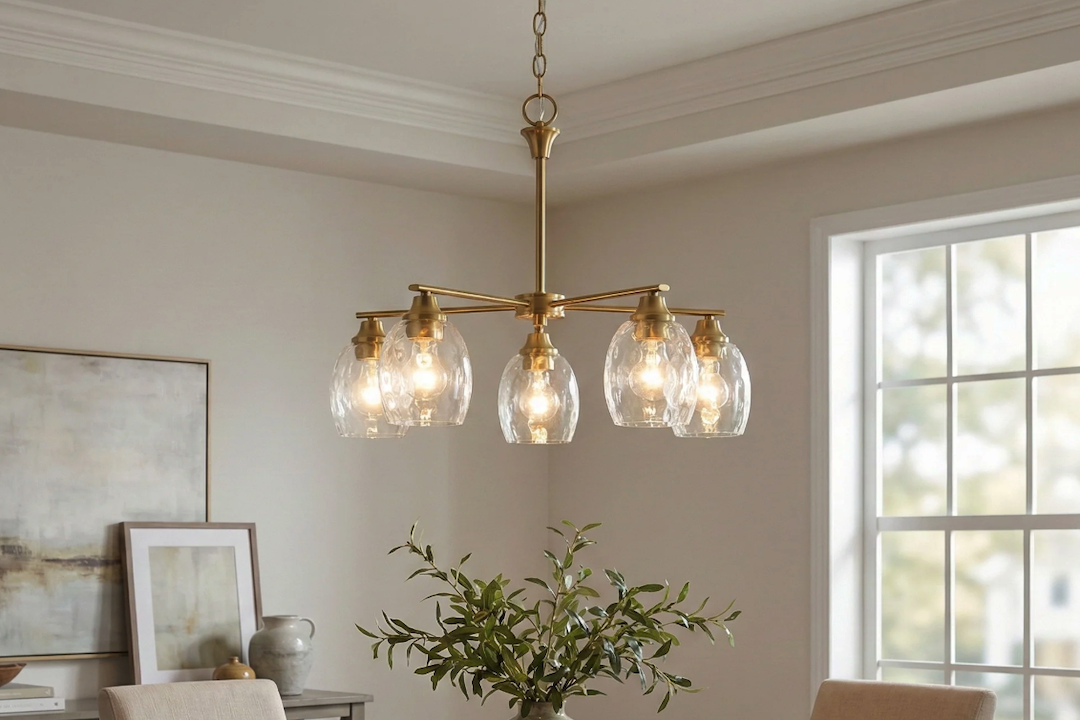
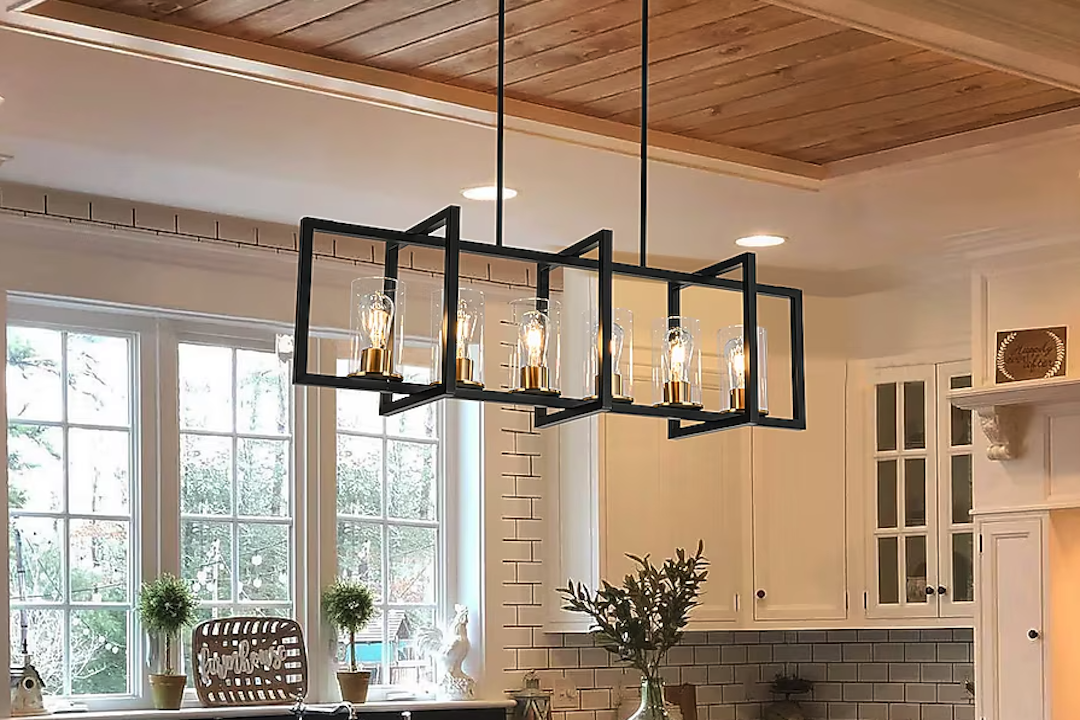
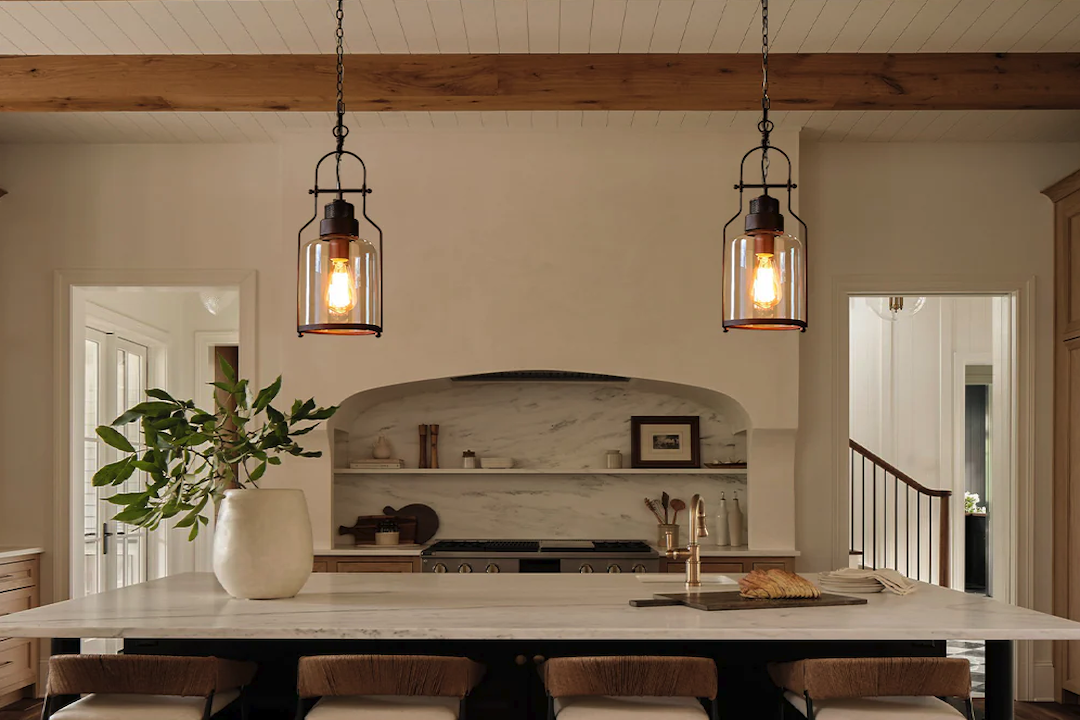
Let’s talk about those gorgeous, one-of-a-kind hand-blown glass pendant lamps with organic shapes. You’re probably wondering if they’re really that special or just another trendy lighting option. The short answer? Yes, they’re pretty special. What sets them apart is that they’re not just objects; they’re pieces of art, each with its own personality, born from the skill of a glassblower and the natural beauty of flowing forms.
The Allure of the Irregular: What Makes Organic Shapes So Appealing?
Think about the natural world. Trees aren’t perfectly symmetrical. Pebbles smoothed by the ocean have gentle curves. Flowers unfold in unique patterns. Organic shapes in design tap into this inherent beauty, bringing a sense of calm and authenticity into our spaces. Hand-blown glass pendant lamps Lappinlighting with these flowing forms are a perfect embodiment of this. Unlike factory-made items that aim for rigid uniformity, each organic shape is a little different, a little imperfect in the most beautiful way. This individuality is where their charm truly lies.
Nature as the Muse: How Forms Mirror the Natural World
Glassblowers draw inspiration from countless sources in nature. You’ll see shapes that evoke:
- Seed pods: Delicate, bulbous forms that suggest the promise of new life. The way the glass might swell in places and taper elsewhere can mimic the intricate structure of a seed pod ready to release its contents.
- Flowing water: Smooth, undulating surfaces that capture the movement of a gentle current or a soft waterfall. Imagine molten glass being coaxed into rippling waves or a serene pool.
- Budding flowers: Forms that begin tightly coiled and then gently unfurl, revealing a softer, more expansive silhouette. The transition from a closed bud to a bloom offers a beautiful analogy for the lighting it will cast.
- Driftwood and stones: Irregular, weathered textures and contours that suggest the passage of time and the elements. These shapes often have a grounded, earthy feel.
- Bubbles and natural inclusions: Sometimes, the process of blowing glass naturally creates small air bubbles or subtle variations in color density. Instead of being seen as flaws, these are embraced as part of the unique character, much like the natural textures found in wood grain or stone.
The Unpredictability of the Flame: Where Art Meets Science (and a Little Magic)
The magic happens in the furnace. Molten glass is a fluid, responsive medium. Hand-blowing means relying on the skill of the artisan to manipulate this material. Gravity, the breath of the blower, and the heat of the furnace all play a role. An organic shape in hand-blown glass is, to some extent, a dance between the artist’s intent and the glass’s natural tendencies. This is why no two lamps are ever truly identical. There are subtle shifts in curvature, tiny variations in thickness, and unique patterns of bubble distribution. This inherent unpredictability is what makes each lamp a singular creation.
The Art of the Hand-Blown Process: More Than Just Glass
When we talk about hand-blown glass, it’s crucial to understand what that actually entails. It’s an ancient technique that requires immense skill, patience, and a deep understanding of the material. It’s not just about blowing air into glass; it’s about shaping, molding, and coaxing with tools and gravity.
From Molten Glob to Glowing Orb: A Glimpse into the Studio
The process typically begins with gathering a glob of molten glass from a furnace, heated to incredibly high temperatures.
- Gathering: The glassblower uses a long, hollow metal pipe called a blowpipe and dips it into the molten glass, gathering a mass of the sticky, glowing material onto the end.
- Shaping (Initial): While the glass is still hot and pliable, the blower begins to shape it. This might involve rolling it on a flat surface (a marver), using various tools like paddles, jacks, or blocks to create basic forms.
- Blowing: The blower then blows gently through the blowpipe, creating a hollow bubble within the glass. This is where the magic of expansion begins.
- Further Shaping: As the bubble grows, the blower continues to rotate the pipe, manipulate the glass with tools, and might even dip it back into the furnace to reheat it if it starts to cool too much. For organic shapes, this stage is critical. The blower will encourage the glass to swell naturally, to stretch and curve in organic ways, often influenced by gravity and the momentum of rotation. They might pinch, twist, or even use molds (though often not rigid, uniform molds for truly organic forms) to guide the shape.
- Adding Color and Texture: Colors are often introduced by rolling the molten glass over crushed colored glass (frit) or by trailing molten colored glass onto the surface. Textures can be created by pressing the hot glass into textured materials or by using specialized tools to create ripples or imperfections.
- Annealing: Once the desired shape and form are achieved, the lamp is carefully placed into a special oven called an annealing oven. Here, it slowly cools down over many hours, or even days. This crucial step prevents the glass from cracking as it cools unevenly.
The Mark of the Maker: Why “Imperfect” is Perfect
In the world of hand-blown glass, minor imperfections are not flaws; they’re signatures.
- Bubble Distribution: Small air bubbles trapped within the glass can catch and refract light in beautiful ways, adding depth and sparkle. The way these bubbles coalesce or spread is a unique characteristic of each piece.
- Variations in Thickness: The glass might be slightly thicker in some areas and thinner in others, affecting how light passes through and creating subtle tonal shifts.
- Slight Asymmetries: A truly organic shape will never be perfectly balanced or symmetrical. This slight deviation from perfect geometry is what gives it its natural, handcrafted feel.
- Tool Marks: In some artistic pieces, subtle marks from the tools used during the blowing process can even be visible, adding to the story of its creation.
These characteristics are not reasons to reject a lamp; they are reasons to cherish it. They are tangible proof that a human hand, with all its skill and nuance, was involved in its making.
Beyond the Basics: Design Considerations for Organic Shapes
These lamps are more than just pretty objects; they’re functional elements that can profoundly impact a room’s atmosphere. Choosing the right one involves looking beyond just the initial aesthetic appeal.
Materiality and Tone: The Dance of Light and Glass
The type of glass and the way it’s treated directly influence the light it emits and the overall mood it creates.
- Clear Glass: Offers crisp, unadulterated light. It’s excellent for showcasing the intricate details of the shape and for environments where bright, clear illumination is desired. The clarity allows the form itself to take center stage.
- Frosted or Acid-Etched Glass: Diffuses light, creating a softer, more ambient glow. This can be particularly effective for creating a cozy or relaxed atmosphere. It softens shadows and minimizes glare.
- Textured Glass: Ripples, bumps, or subtle patterns on the surface can further manipulate light, casting interesting shadows and adding visual interest even when the lamp is off.
- Colored Glass: The hue of the glass will significantly affect the light color and the overall ambiance. Deep blues can create a tranquil feel, while warmer amber tones add coziness. The translucency of the colored glass is also key – how much light passes through and what color that light is.
Scale and Proportion: Finding the Right Fit for Your Space
The size and scale of an organic pendant lamp are vital for its success in your decor. A massive, bulbous shape might overwhelm a small dining nook, while a delicate, elongated form could get lost above a large kitchen island.
- Dining Rooms: Consider the table size. A cluster of smaller organic pendants can create a dynamic focal point above a round table, while a single larger piece might suit a rectangular one. Ensure there’s enough clearance for you and your guests to move freely and see each other across the table.
- Kitchen Islands: These are natural spots for statement lighting. Depending on the island’s length and the desired effect, you might opt for a single, substantial pendant or a symmetrical row of smaller ones. The organic shape can soften the typically hard lines of a kitchen.
- Living Areas: Organic pendants can add an artistic touch to the living room, perhaps suspended over a coffee table or in a reading corner. The key is to ensure they complement the existing furniture and don’t obstruct views.
- Bedrooms: For a more serene or romantic feel, a softer, diffused organic pendant can be a wonderful addition, providing ambient light rather than harsh task lighting.
Practicality Meets Art: Installation and Maintenance Tips
While undeniably beautiful, these lamps are still functional lighting fixtures. A little thought into their installation and upkeep goes a long way.
The Installation Puzzle: When to Call the Professionals
Hand-blown glass can be delicate, and hanging a pendant lamp involves working with electricity and potentially working at heights.
- Weight Considerations: Some larger or more intricately shaped glass pendants can be surprisingly heavy. Ensure your ceiling box is rated to support the weight of the fixture. If you’re unsure, it’s always best to consult an electrician.
- Electrical Connections: This is a job for a qualified electrician. They will ensure the wiring is done correctly and safely, connecting the lamp to your home’s power supply and installing the appropriate switch.
- Height Adjustment: The installer will ensure the lamp is hung at the correct height for your space, considering clearance and visual balance. This is especially important over dining tables or kitchen islands.
- Mounting Hardware: The type of mounting hardware included might vary. A professional will know how to secure it properly to your ceiling.
Keeping Them Gleaming: Cleaning and Care Strategies
The beauty of hand-blown glass lies in its clarity and vibrancy. Keeping it free of dust and smudges is key.
- Gentle Dusting: For routine cleaning, a soft microfiber cloth or a feather duster will work wonders. Gently wipe away dust without applying too much pressure.
- For Smudges and Grime: If you encounter stubborn marks or greasy fingerprints, use a glass cleaner that is ammonia-free (ammonia can sometimes cloud certain types of glass or finishes). Lightly spray the cleaner onto your cloth, not directly onto the pendant, and wipe the glass gently.
- Avoid Abrasives: Never use abrasive cleaners, scouring pads, or harsh chemicals, as these can scratch or damage the delicate surface of the glass.
- Be Mindful of the Fixture: When cleaning, pay attention to the metal components of the fixture as well. Use a polish appropriate for the metal type (brass, brushed nickel, etc.) to keep it looking its best.
- “Off-Duty” Cleaning: If possible and safe, consider turning off the power to the fixture at the breaker before cleaning, especially if you’re using a spray cleaner. This adds an extra layer of safety.
The Unseen Impact: How Organic Shapes Influence Ambiance
It’s easy to focus on the visual aspect of these lamps, but their true power lies in how they transform the mood and feel of a space. They’re not just light sources; they’re mood setters.
Creating a Sanctuary: The Calming Power of Soft Forms
In our often-hectic lives, creating pockets of calm is essential. Organic shapes, with their inherent fluidity and lack of sharp angles, contribute to a sense of tranquility.
- Reducing Visual Clutter: The gentle curves and flowing lines can make a space feel more open and less rigid. Sharp edges often draw the eye and can contribute to a feeling of busyness.
- Biophilic Design Connection: These shapes echo the forms found in nature, tapping into our innate human connection with the natural world. This subconscious connection can promote feelings of relaxation and well-being.
- Softer Light Play: When paired with diffused or colored glass, organic shapes excel at casting a gentle, enveloping light. This type of illumination is perfect for winding down, reading, or intimate conversations.
Adding Artistic Flourish: When Lighting Becomes Sculpture
Beyond their functional purpose, these lamps are undeniably sculptural. They add a touch of bespoke artistry to a room, elevating it from merely decorated to thoughtfully curated.
- Conversation Starters: Their unique nature often prompts questions and admiration. They become focal points that guests are drawn to.
- Personal Expression: Choosing an organic hand-blown glass lamp is a way to express individuality and an appreciation for craftsmanship. It says you value pieces with a story.
- Elevating Everyday Spaces: Even a simple dining area or kitchen can feel transformed into a gallery-like space with the addition of such a distinctive piece. It demonstrates that good design can be both functional and deeply artistic.
Where to Find Your Perfect Piece: Navigating the Market
The world of hand-blown glass is rich and varied, but finding that truly unique organic piece requires a bit of informed exploration.
Artisans and Studios: The Heart of Hand-Blown Glass
The most authentic and unique pieces come directly from the makers.
- Direct from the Glassblower: Many artisans sell directly through their own websites or at craft fairs and art markets. This allows you to connect with the maker and learn about their process.
- Specialty Lighting Boutiques: Look for independent lighting stores that focus on handcrafted or designer pieces. They often carry collections from talented glassblowers.
- Online Marketplaces for Artisans: Platforms like Etsy have a vast array of independent artists, but it’s important to do your research and look for sellers with strong reviews and clear descriptions of their process.
Key Considerations When Buying: Ensuring Quality and Authenticity
When investing in a piece of hand-blown glass, especially one with an organic shape, keep these factors in mind:
- Look for Descriptions of the Process: Reputable sellers will detail how their glass is made. Phrases like “hand-blown,” “off-hand,” or “authentic artisan glass” are good indicators.
- Examine Photos Carefully: While photos can’t perfectly capture the nuance of glass, look for details that suggest handcrafted origins: slight variations in form, interesting bubble patterns, or subtle color inconsistencies.
- Read Reviews and Testimonials: See what other customers are saying about the quality, uniqueness, and customer service.
- Understand the Return Policy: Especially when buying online, know your options if the piece isn’t quite what you expected.
- Ask Questions: Don’t hesitate to reach out to the seller with questions about the material, the process, or the dimensions.
In essence, these hand-blown glass pendant lamps with organic shapes offer a compelling blend of artistry, nature-inspired design, and functional elegance. They’re not just fixtures; they’re statements of character, bringing a warmth, uniqueness, and timeless beauty into any environment.