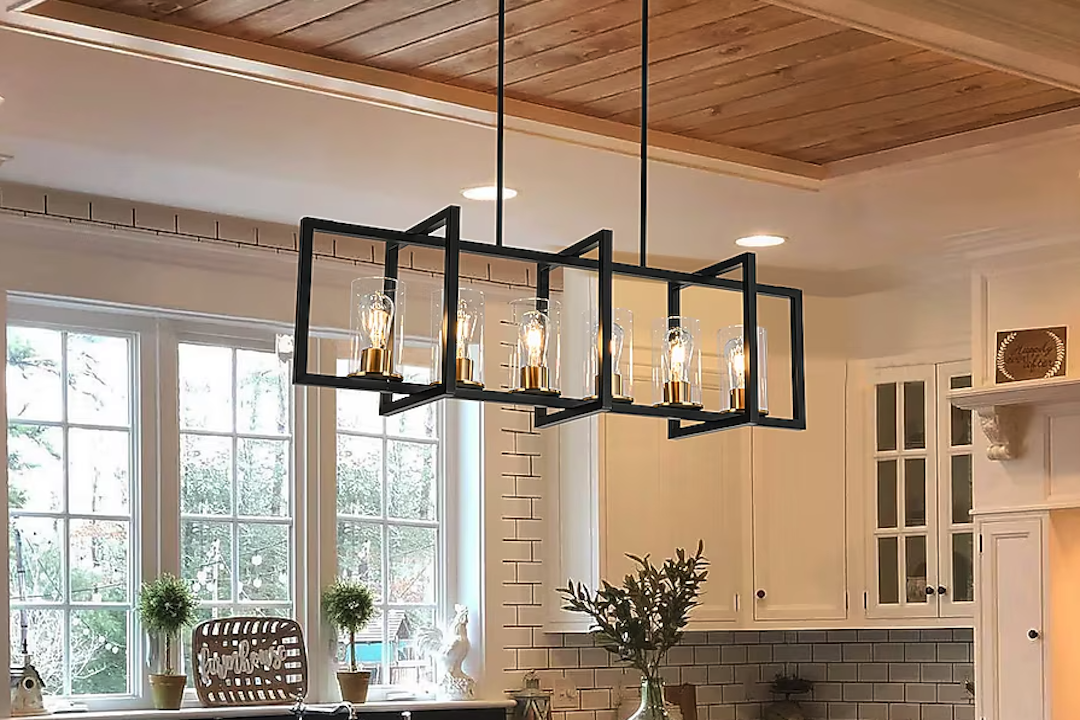
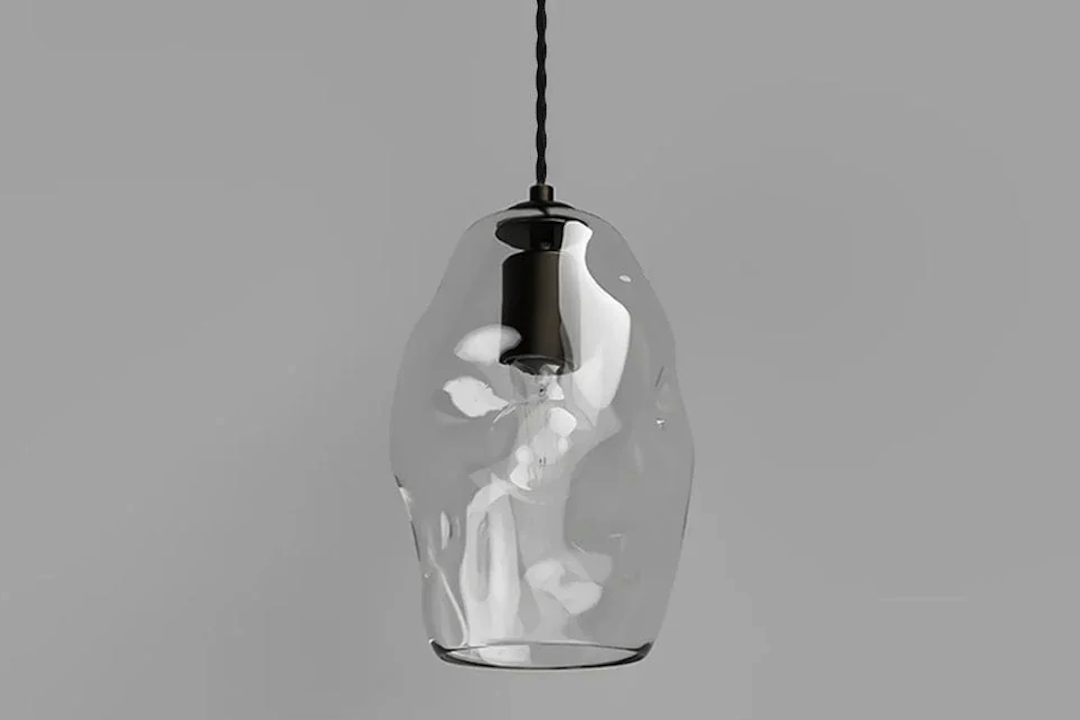
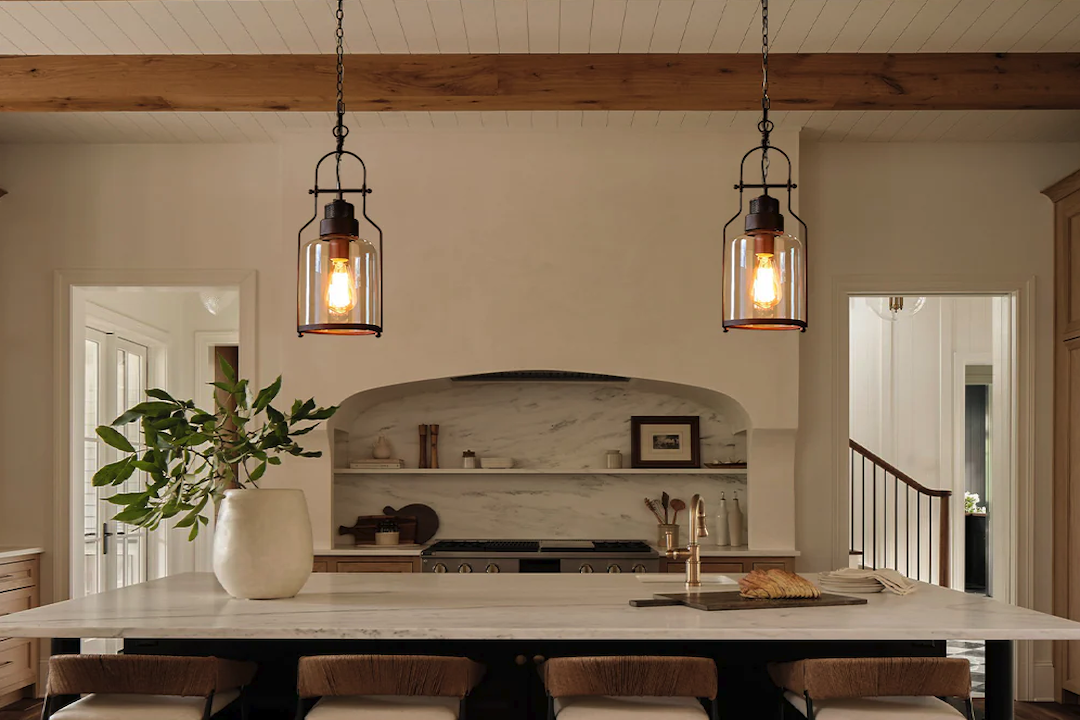
So, you’re thinking about adding a mid-century brass dining room chandelier to your space? Smart move. These fixtures aren’t just fancy lights; they’re statement pieces that can totally transform your dining area. Basically, if you want that perfect blend of timeless elegance and retro cool, a mid-century brass chandelier is likely your answer. We’re talking about something that feels both sophisticated and inviting, effortlessly bridging the gap between a formal dinner party and a cozy family meal.
The Allure of Mid-Century Brass
There’s a reason why mid-century modern design, and brass particularly, has such staying power. It’s about a specific kind of warmth and a clean, unpretentious aesthetic that just works.
Why Brass Stands Out
Brass has this incredible ability to warm up a room. Unlike cooler metals, it has an inherent richness that feels inviting. It’s not flashy, but it certainly makes its presence known in a sophisticated way.
The Patina Factor
One of the best things about brass is how it ages. It develops a unique patina over time, a subtle darkening and softening of the finish. This isn’t something to polish away; it’s part of the charm, adding character and history to the piece. Think of it like a well-loved piece of furniture – it gets better with age.
Reflective Qualities
Brass is a great reflector of light. When illuminated, it can bounce light Akahome around the room, making your dining area feel brighter and more spacious. This is especially effective in smaller rooms or those with less natural light.
Mid-Century Design Principles
Mid-century modern, generally speaking, is all about form following function, clean lines, and a connection to nature. When translated into lighting, this means designs that are usually streamlined, often geometric, and focus on the materials themselves.
Simplicity and Functionality
You won’t typically find overly ornate or fussy designs in mid-century lighting. The focus is on clean silhouettes and practical application. The chandelier’s primary job is to provide light, and the design enhances that purpose rather than complicating it.
Organic Shapes and Geometry
While many mid-century designs lean towards geometric patterns (think Sputniks or starbursts with brass rays), you’ll also find designs that incorporate more organic, flowing lines, often inspired by nature. This blend of the structured and the fluid is a hallmark of the era.
Key Characteristics of Mid-Century Brass Dining Chandeliers
When you’re on the hunt for the perfect mid-century brass dining chandelier, there are a few design elements that will point you in the right direction. It’s not just about the material; it’s about the shape, the structure, and how it integrates into the overall aesthetic.
Iconic Mid-Century Silhouettes
These are the shapes that immediately scream “mid-century.” They are recognizable and loved for a reason.
The Sputnik
Perhaps the most iconic mid-century chandelier design. These often feature a central orb with numerous radiating arms, tipped with lights. When made of brass, they have an astronomical, almost playful yet undeniably chic, vibe. The arms can be straight, slightly curved, or end in little globes.
The Starburst
Similar to the Sputnik but often with arms that spread out like rays from a sun. These can be more restrained or incredibly dramatic, depending on the number and length of the “rays” and the size of the central fixture. Brass starbursts are fantastic for creating a focal point.
Geometric Forms
Beyond the Sputnik and Starburst, mid-century designs frequently utilize clean geometric shapes like spheres, cylinders, and cascading patterns. Think of multi-tiered designs with repeating geometric elements or chandeliers that mimic abstract sculptures. Brass in these forms can feel very modern and architectural.
The Role of the Brass Finish
The specific finish on the brass can also subtly alter the overall feel of the chandelier.
Polished Brass
This offers a bright, reflective surface that’s very much in the spirit of mid-century glam. It catches the light beautifully and can make a statement. It’s a classic choice that feels both luxurious and accessible.
Brushed or Satin Brass
This finish has a softer, more matte appearance. It’s less reflective than polished brass, offering a more understated elegance. It has a modern feel and can be a great choice if you want the brass to blend in a bit more rather than dominate.
Antiqued or Oxidized Brass
This finish has a darker, richer tone, sometimes with varying shades and an aged look. It can add a sense of vintage character and depth. If your decor leans a bit more towards rustic or you want a piece that looks like it’s been in the family for years, this could be the way to go.
Integrating Your Chandelier: Size, Scale, and Placement
Just picking out a beautiful chandelier isn’t enough; you need to make sure it fits your dining room. The right size and placement can make all the difference between a stunning focal point and something that feels a bit off.
Finding the Right Size
This is crucial. Too small and it will look lost. Too large and it can overwhelm the space.
The Dining Table Rule
A common guideline is to have a chandelier that’s about half to two-thirds the width of your dining table. So, if you have a 60-inch round table, look for a chandelier around 30 to 40 inches in diameter. For rectangular tables, consider the length.
Ceiling Height Considerations
A general rule of thumb for chandelier height is to have the bottom of the fixture hang about 30 to 36 inches above the tabletop. However, this can be adjusted based on your ceiling height. For very high ceilings, you might need to hang it lower to keep it within the conversational eye line. For lower ceilings, a more flush-mounted or shorter hanging fixture might be better.
Strategic Placement
Where you hang it matters. It should be centered over your dining table.
Centering is Key
The chandelier should be directly in the center of your dining table, both lengthwise and widthwise. This creates balance and symmetry, which is a cornerstone of good design.
Beyond the Table
While the table is the primary focus, consider how the chandelier will look from other points in the room or adjacent spaces. Does it clash with other light fixtures? Does it draw the eye towards the dining area?
Lighting Quality and Functionality
A chandelier is, at its core, a light fixture. So, how it lights your space is just as important as how it looks.
Bulb Types and Warmth
The type of bulbs you choose will significantly impact the ambiance.
LED vs. Incandescent
Modern chandeliers often come with LED options, which are energy-efficient and long-lasting. You can find LED bulbs in various color temperatures, from warm white (around 2700K) to cool white (around 5000K). For a dining room, warm white is usually preferred for creating a cozy and inviting atmosphere.
Dimmers Are Your Friend
If your chandelier isn’t already equipped with a dimmer, consider installing one. This gives you ultimate control over the mood of your dining room. You can brighten it up for family meals or dim it down for a more intimate dinner party.
Light Distribution
Think about how the light is cast.
Downward vs. Upward Light
Some chandeliers cast light primarily downwards, illuminating the table. Others have bulbs that point upwards, bouncing light off the ceiling for a softer, more ambient glow. Many mid-century designs incorporate a mix of both, providing focused light and general room illumination.
Shades and Diffusers
Some brass chandeliers might incorporate glass shades (opal, clear, or seeded) or diffusers to soften the light and prevent glare. These can enhance the overall lighting experience.
Where to Find and What to Look For
Navigating the world of mid-century brass chandeliers can be exciting, and knowing what to look for will help you find that perfect piece.
Vintage vs. Reproduction
You have two main avenues here, each with its pros and cons.
The Charm of Vintage
Original mid-century pieces have a unique history and often a quality of craftsmanship that’s hard to replicate. They can be found in antique stores, vintage shops, and online marketplaces dedicated to vintage goods. The patina will be authentic.
The Appeal of Reproductions
If you love the look but are concerned about the practicality or availability of vintage finds, reputable companies now produce excellent reproductions of mid-century designs. These often come with modern wiring and are built to current safety standards, offering peace of mind. They can be easier to find and sometimes more budget-friendly.
Assessing Quality and Condition
Whether you’re buying vintage or new, a little inspection goes a long way.
Check the Brass Integrity
Look for any signs of damage to the brass itself. Are there any dents, deep scratches, or areas where the finish is peeling excessively (unless you’re going for that specific look)? For vintage pieces, ensure the structure is sound and all original components are present and functional.
Wiring and Electrical Components
If buying vintage, it’s highly recommended to have a qualified electrician inspect and potentially rewire the fixture to ensure it meets modern safety standards. New reproductions will of course come with certified wiring.
Authenticity (For Vintage)
If you’re investing in a specific designer piece, research its typical hallmarks and look for manufacturer’s marks. Sometimes, even the most convincing reproductions might have subtle differences.
Adding a mid-century brass dining room chandelier isn’t just about upgrading your lighting; it’s about infusing your dining space with personality, warmth, and a timeless sense of style. It’s a piece that can become a cherished part of your home, bringing light and elegance to countless meals to come.