The dining room serves as a central hub in many homes, a space for meals, conversations, and gatherings. Its aesthetic and functionality significantly impact the overall home atmosphere. Lighting, a fundamental element of interior design, plays a crucial role in shaping this environment. This article explores the utility and design considerations of incorporating modern glass pendant lights into a dining room setting, offering practical guidance for their selection and integration.
Effective dining room lighting Miilighting transcends mere illumination; it contributes to the room’s mood, defines its character, and enhances the dining experience.
Layered Lighting Approach
A sophisticated lighting scheme often employs a layered approach, combining ambient, task, and accent lighting.
- Ambient Lighting: This foundational layer provides general illumination, ensuring the room is comfortably lit. Recessed lighting, chandeliers, or a series of pendant lights can serve this purpose. For a dining room, ambient lighting should be sufficient to navigate the space without glare.
- Task Lighting: Task lighting focuses light on specific areas where activities occur. Over a dining table, a pendant light or chandelier primarily functions as task lighting, directing illumination onto the dining surface. This enhances visibility for dining, reading, or other table-centric activities.
- Accent Lighting: Accent lighting highlights architectural features, artwork, or decorative objects. Wall sconces, uplights, or track lighting can create visual interest and add depth to the room. In a dining room, accent lighting might draw attention to a curated wall display or a specific piece of furniture.
Importance of Dimmable Controls
The ability to adjust light intensity is paramount in a dining room. Dimmable controls allow for flexibility, transforming the mood from bright and energetic for a morning breakfast to soft and intimate for an evening dinner. This adaptability ensures the lighting can cater to various occasions and preferences.
The Modern Glass Pendant Light: A Design Element
Modern glass pendant lights are characterized by clean lines, minimalist forms, and the inherent beauty of glass as a material. They offer a blend of functionality and aesthetic appeal, making them a suitable choice for contemporary dining spaces.
Materiality of Glass
Glass, in its various forms, offers distinct qualities that contribute to the pendant light’s overall effect.
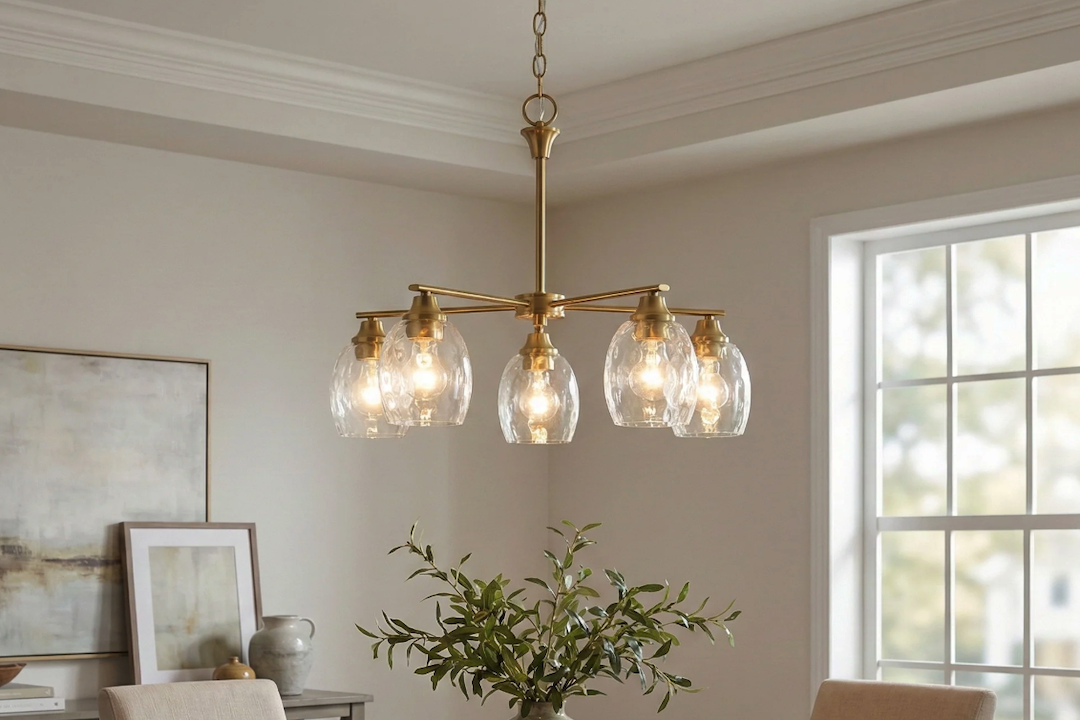
- Clear Glass: Clear glass pendants provide unobstructed light transmission, allowing the bulb within to be a visible design element. They create a bright, airy feel and can make a smaller dining room appear more expansive. The transparency acts as a visual bridge between the light source and the room, minimizing optical clutter.
- Frosted Glass: Frosted or etched glass diffuses light, producing a softer, more uniform glow. This minimizes harsh shadows and glare, creating a more ambient and comfortable atmosphere. It can be particularly effective in rooms where direct light might be too intense.
- Colored Glass: Colored glass introduces a specific hue to the emitted light and can serve as a decorative focal point. The choice of color can either complement existing decor or provide a striking contrast, injecting personality into the space. Considerations for colored glass include its impact on food presentation and the overall color temperature of the room.
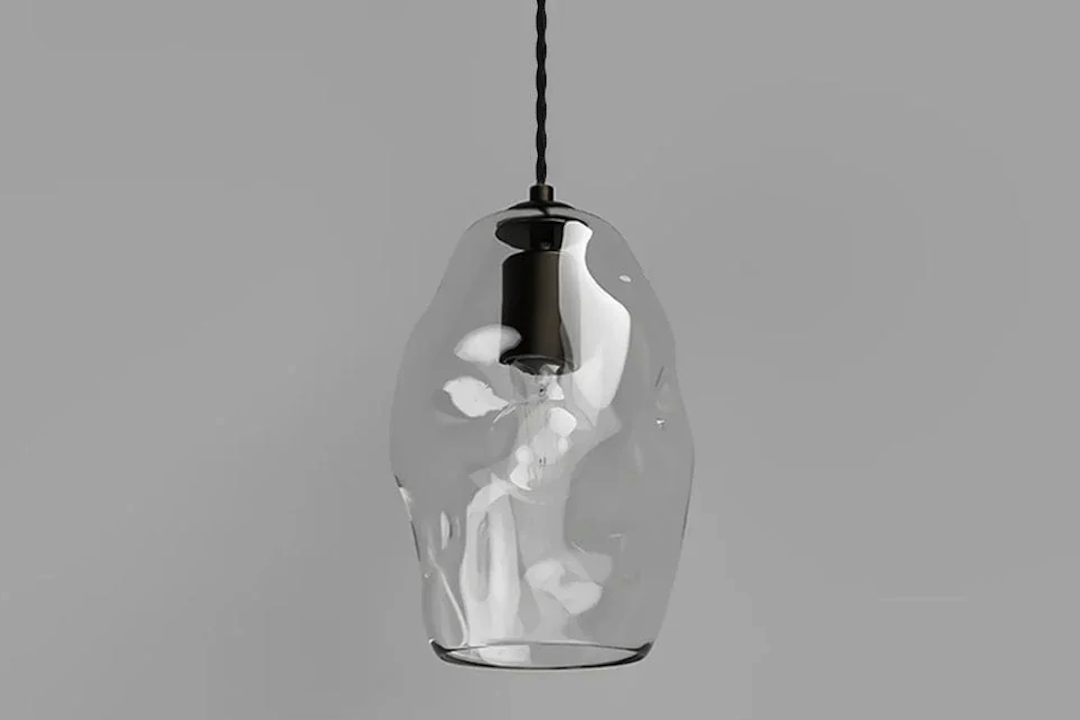
- Textured Glass: Ribbed, fluted, or seeded glass textures refract light in unique ways, creating visual patterns and adding depth. This introduces an additional layer of aesthetic interest, transforming the light source into sculptural art when illuminated.
Aesthetics of Modern Design
Modern design emphasizes simplicity, functionality, and a connection to natural elements and technologies. Modern glass pendant lights often reflect these principles.
- Minimalist Forms: Many modern glass pendants feature sleek, uncomplicated shapes, avoiding superfluous ornamentation. This reflects a “less is more” philosophy, where the form itself is the primary aesthetic statement.
- Geometric Shapes: Spheres, cylinders, cones, and other geometric forms are common in modern pendant design. These shapes contribute to a sense of order and contemporary elegance.
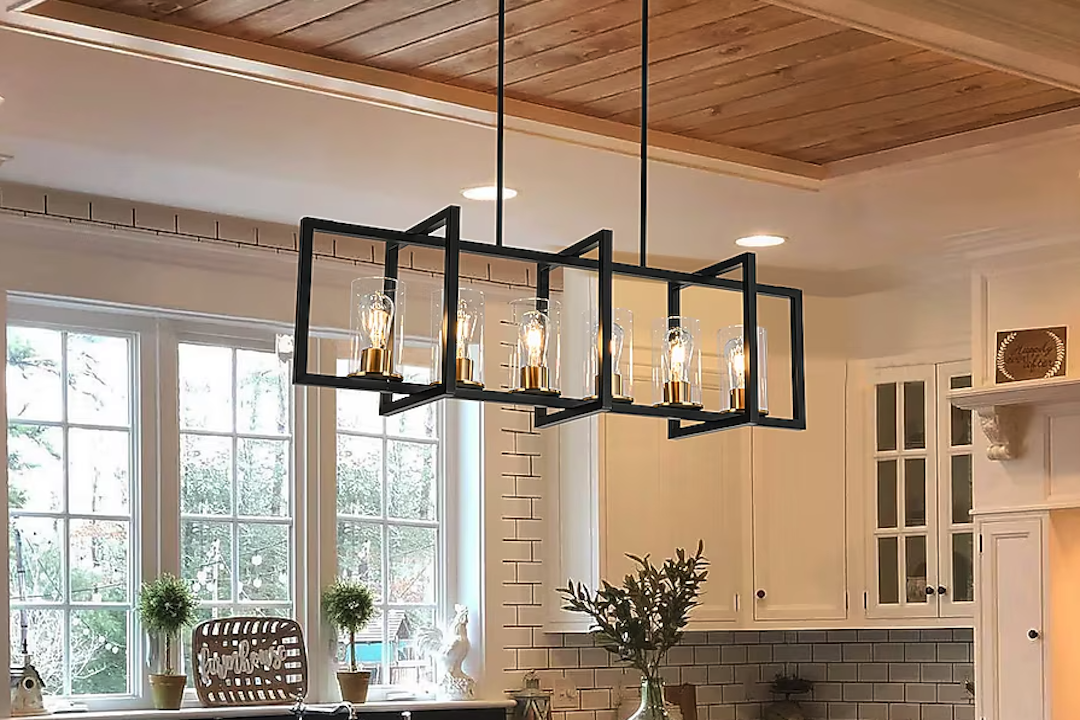
- Industrial Influence: Some modern designs incorporate industrial elements, such as exposed hardware or metal accents, creating a juxtaposition with the delicate nature of glass. This can lend a utilitarian yet refined aesthetic.
- Organic Inspiration: Conversely, some modern pendants draw inspiration from natural forms, with shapes reminiscent of dew drops, pebbles, or abstract floral elements. These designs soften the often stark lines of modernity.
Selecting the Right Pendant Light
The selection of a modern glass pendant light for a dining room involves considering several practical and aesthetic factors to ensure it complements the space effectively.
Sizing and Scale
The size of the pendant light or arrangement of pendants should be proportionate to the dining table and the room itself. A light that is too small will appear insignificant, while one that is too large can overwhelm the space.
- Rule of Thumb for Diameter: A common guideline suggests the diameter of a single pendant or chandelier should be approximately half to two-thirds the width of the dining table. For rectangular tables, this applies to the shorter dimension.
- Multiple Pendants: When using multiple pendants, their individual diameters and the spacing between them are crucial. They should be arranged to provide even illumination across the table without crowding the visual field. Calculate the total width spanned by the pendants and compare it to the table’s length.
- Ceiling Height: High ceilings can accommodate larger fixtures, while lower ceilings require more compact designs to maintain adequate head clearance and prevent the room from feeling cramped.
Height and Placement
The hanging height of a pendant light is critical for both illumination and visual comfort.
- Optimal Height Above Table: Generally, the bottom of the pendant light fixture should be positioned about 30 to 36 inches (76 to 91 cm) above the dining table surface. This ensures adequate illumination without obstructing views across the table or creating glare.
- Consideration for Scale: For exceptionally large or small pendants, slight adjustments to this height may be necessary. The goal is to create a visual balance.
- Room Flow: Ensure the pendant does not interfere with the natural flow of movement around the table or obstruct traffic paths to and from the dining area.
Light Output and Bulb Type
The type of bulb used in a modern glass pendant light significantly influences its performance and the dining experience.
- LED (Light Emitting Diode): LEDs are energy-efficient, long-lasting, and offer a wide range of color temperatures. They are increasingly the standard for modern lighting. Look for dimmable LEDs.
- Color Temperature: Light color temperature, measured in Kelvin (K), affects the mood.
- Warm White (2700K-3000K): Creates a cozy, inviting atmosphere suitable for dining.
- Neutral White (3500K-4000K): Provides a more balanced, versatile light.
- Cool White (5000K+): Can feel stark and is generally less desirable for dining areas.
- Brightness (Lumens): Consider the lumen output required. For a dining room, a range of 800-1200 lumens for the primary fixture is often appropriate, assuming supplementary lighting. Dimmability offers control over intensity.
- Bulb Aesthetic: For clear glass pendants, the bulb itself becomes a visible element. Decorative filament bulbs or frosted LED bulbs can enhance the fixture’s overall aesthetic.
Installation and Integration
Proper installation and thoughtful integration safeguard the functionality and aesthetic appeal of a modern glass pendant light.
Professional Installation
Given the electrical components and the often delicate nature of glass fixtures, professional installation is recommended. This ensures safety, proper wiring, and secure mounting. An electrician can also advise on dimmer switch compatibility and proper load management.
Coordination with Existing Decor
The chosen pendant light should complement the existing dining room decor without necessarily matching every element precisely.
- Harmonious Materials: Consider how the fixture’s materials (glass, metal accents) connect with other elements in the room, such as table legs, chair frames, or decorative objects. A metallic finish on the pendant might echo hardware elsewhere.
- Color Palette Integration: The glass color, if any, or the metallic finish of the pendant should integrate with the room’s color scheme. It can be a subtle echo or a deliberate accent.
- Style Consistency: While modern, the pendant should not clash drastically with the wider stylistic context of the home. A contemporary glass pendant can integrate into a traditional space if chosen carefully, bridging old and new.
Impact on Dining Room Ambiance
The integration of a modern glass pendant light profoundly influences the atmosphere and functionality of a dining room.
Enhancing Visual Appeal
A well-chosen modern glass pendant light serves as a visual anchor above the dining table, drawing the eye and establishing a focal point. Its form and the quality of light it casts can elevate the aesthetic of the entire room. It acts as a jewel, catching and refracting light, animating the space even when not illuminated.
Defining the Dining Zone
In open-plan living spaces, where the dining area may not have defined walls, a pendant light strategically placed above the dining table acts as an invisible ceiling, visually delineating the dining zone from adjacent living areas. This establishes a sense of intimacy and purpose for the space. The light, like a gravitational pull, carves out its domain amidst the wider expanse.
Affecting Mood and Function
The quality and intensity of light from the pendant directly impact the mood of the dining experience.
- Intimate Gatherings: Dimmable warm-toned light from a frosted or colored glass pendant can create a cozy, inviting ambiance conducive to intimate conversations and relaxed meals. The light becomes a soft blanket, wrapping the diners in comfort.
- Lively Events: Brighter, more neutral light from clear glass pendants, when desired, can stimulate conversation and provide ample illumination for larger gatherings or activities that require more visual clarity. The light acts as a cheerful host, encouraging interaction.
- Food Presentation: The color temperature and diffusion of the light can affect how food appears. Warm, soft light often enhances the appeal of dishes, making them appear more appetizing, while overly cool or harsh light can detract from their presentation. The light is the ultimate garnish, either elevating or diminishing the culinary art.
Maintenance of Glass Pendant Lights
Maintaining the pristine appearance and functionality of glass pendant lights requires regular, appropriate care.
Regular Cleaning
Dust and grime can obscure the beauty and diminish the light output of glass fixtures.
- Dusting: Regular, gentle dusting with a soft microfiber cloth or a feather duster prevents significant buildup.
- Wiping: For more stubborn marks or fingerprints, a dedicated glass cleaner or a solution of mild soap and water applied with a soft cloth is effective. Ensure the cloth is damp, not saturated, to prevent water ingress into electrical components.
- Drying: Promptly dry the glass surfaces with a clean, lint-free cloth to prevent streaks and water spots, especially for clear glass fixtures.
Lamp Replacement
The lifespan of bulbs varies. When a bulb fails, replacement is straightforward but requires adherence to safety precautions.
- Safety First: Always turn off the power at the circuit breaker before attempting to replace any bulb.
- Correct Bulb Type: Ensure the replacement bulb matches the specifications (wattage, base type, voltage) of the existing bulb to prevent damage to the fixture or electrical system. Refer to the fixture’s instructions or existing bulb markings.
- Gentle Handling: When replacing bulbs, particularly those with intricate filaments or delicate glass, handle them with care to avoid breakage.
Inspection for Damage
Periodically inspect the pendant light for any signs of wear or damage.
- Cords and Wiring: Check for frayed cords, exposed wires, or any signs of electrical stress.
- Glass Integrity: Examine the glass for chips, cracks, or any structural damage that could compromise its safety or aesthetic.
- Mounting Hardware: Ensure the fixture remains securely mounted to the ceiling, with no visible loosening or instability. Address any perceived issues promptly by consulting a qualified electrician if necessary.
In conclusion, a modern glass pendant light is not merely a source of illumination but a significant design instrument in a dining room. Its selection and integration demand consideration of scale, style, and functionality. By carefully choosing and maintaining such a fixture, you can enhance the room’s visual appeal, define its purpose, and cultivate an inviting atmosphere conducive to both everyday meals and special gatherings.