Proper bathroom lighting is essential for both functionality and aesthetics. A well-lit bathroom enhances visibility, making daily tasks such as shaving, applying makeup, or grooming easier and safer. Insufficient lighting can lead to accidents or mistakes, particularly in a space where precision is often required. Moreover, the bathroom serves as a personal retreat for many individuals, and the right lighting can significantly influence the overall atmosphere. It can transform a utilitarian space into a calming sanctuary, contributing to a more enjoyable experience.
In addition to practical considerations, the importance of bathroom lighting extends to its impact on mood and well-being. Bright, harsh lighting Kromano can create an unwelcoming environment, while softer, warmer tones can promote relaxation. The ability to adjust lighting levels can also cater to different needs throughout the day, from energizing morning routines to soothing evening baths. Therefore, investing time and thought into bathroom lighting is crucial for creating a space that is both functional and inviting.
Types of Bathroom Lighting Fixtures
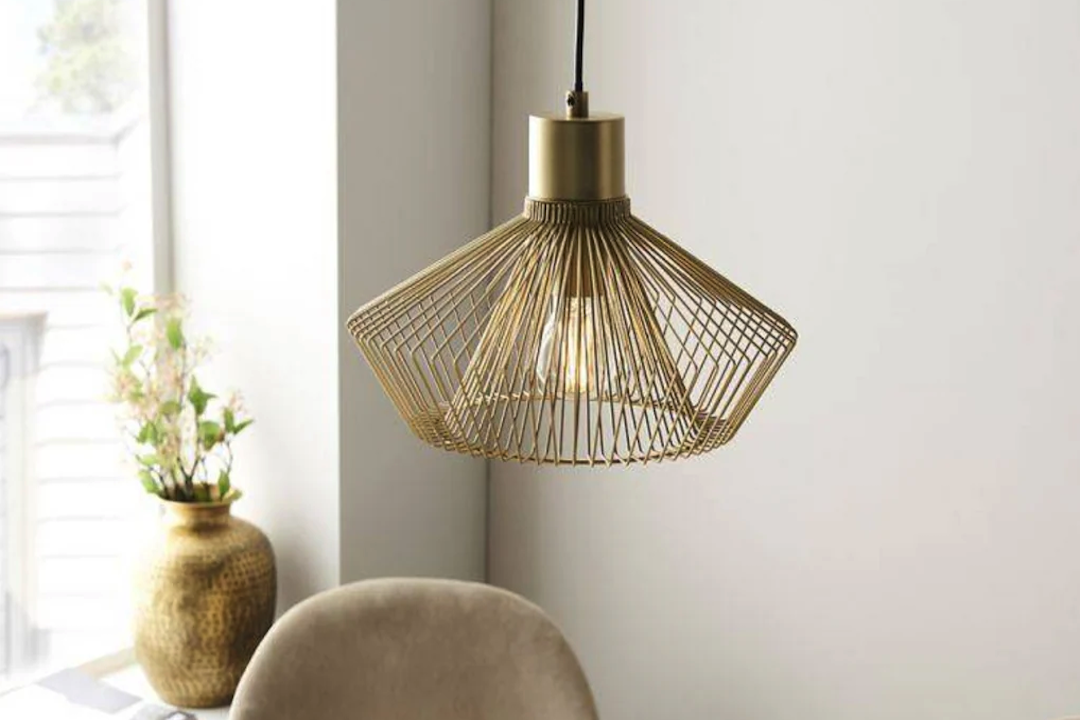
There are several types of bathroom lighting fixtures available, each serving different purposes and contributing to the overall design of the space. Ceiling-mounted fixtures, such as flush mounts or chandeliers, provide general illumination and can set the tone for the entire room. These fixtures are often the primary source of light and should be chosen with care to ensure they complement the bathroom’s style.
Task lighting is another critical component of bathroom illumination. This type of lighting is specifically designed to assist with activities that require focused light, such as applying makeup or grooming. Vanity lights, wall sconces, and LED strips are common choices for task lighting. They are typically installed near mirrors or work areas to provide adequate brightness without casting unflattering shadows. Accent lighting can also be incorporated to highlight architectural features or decorative elements, adding depth and interest to the overall design.
Considerations for Choosing the Right Bathroom Lighting
When selecting bathroom lighting, several factors should be taken into account to ensure that the fixtures meet both functional and aesthetic needs. One of the primary considerations is the size of the bathroom. Larger spaces may require multiple light sources or more powerful fixtures to achieve adequate illumination, while smaller bathrooms might benefit from compact designs that do not overwhelm the space. Additionally, the layout of the bathroom can influence fixture placement and selection.
Another important aspect is the color temperature of the light bulbs used in the fixtures. Light color can significantly affect how colors appear in the bathroom and how individuals perceive their own appearance. Warmer tones (around 2700K to 3000K) create a cozy atmosphere, while cooler tones (4000K and above) offer a more clinical feel. It is advisable to choose bulbs that render colors accurately, especially in areas where personal grooming takes place. Furthermore, energy efficiency should also be considered; opting for LED bulbs can reduce energy consumption while providing long-lasting illumination.
Placement and Installation Tips for Bathroom Lighting
The placement of bathroom lighting fixtures is crucial for achieving optimal functionality and aesthetics. General lighting should be evenly distributed throughout the space to avoid dark corners or overly bright spots. A common practice is to install ceiling fixtures in the center of the room or above key areas such as the shower or bathtub. For task lighting, fixtures should be positioned at eye level on either side of mirrors to minimize shadows on the face.
Installation height is another important factor to consider. Vanity lights should typically be mounted about 65 to 70 inches above the floor for optimal effectiveness. When using wall sconces, they should be placed approximately 36 inches apart to provide balanced illumination. Additionally, dimmer switches can enhance flexibility by allowing users to adjust brightness levels according to their needs or preferences.
Tips for Creating a Relaxing Ambiance with Bathroom Lighting
Creating a relaxing ambiance in the bathroom involves more than just selecting the right fixtures; it also requires thoughtful consideration of light intensity and color. Soft, warm lighting can help establish a tranquil environment conducive to relaxation. Incorporating dimmable fixtures allows users to adjust brightness levels based on their mood or activity, whether it’s a quick morning routine or a leisurely evening soak in the tub.
Layering different types of lighting can also enhance the overall ambiance. Combining ambient lighting with accent and task lighting creates depth and visual interest in the space. For instance, using candles or LED strips around a bathtub can add a soothing glow that promotes relaxation. Additionally, incorporating natural light through windows or skylights can further enhance the calming atmosphere during daylight hours.
Energy-Efficient Options for Bathroom Lighting
Energy efficiency is an increasingly important consideration when selecting bathroom lighting options. Traditional incandescent bulbs consume more energy and have shorter lifespans compared to modern alternatives like LED and CFL bulbs. LEDs are particularly advantageous due to their longevity and low energy consumption; they can last up to 25 times longer than incandescent bulbs while using a fraction of the energy.
In addition to choosing energy-efficient bulbs, homeowners can also consider fixtures designed with energy conservation in mind. Many manufacturers now offer products that incorporate smart technology, allowing users to control lighting remotely or set schedules for automatic adjustments. This not only enhances convenience but also contributes to reduced energy usage over time.
Maintenance and Cleaning Tips for Bathroom Lighting Fixtures
Maintaining bathroom lighting fixtures is essential for ensuring their longevity and optimal performance. Regular cleaning helps prevent dust buildup and maintains brightness levels. Most fixtures can be cleaned with a soft cloth and mild soap solution; however, it is important to follow manufacturer guidelines for specific materials or finishes.
For glass fixtures, using a glass cleaner can help achieve a streak-free shine. It is advisable to turn off power before cleaning any electrical fixtures to ensure safety. Additionally, checking for loose bulbs or connections periodically can prevent potential issues and ensure that all lights are functioning properly.
Creative Ideas for Customizing Your Bathroom Lighting
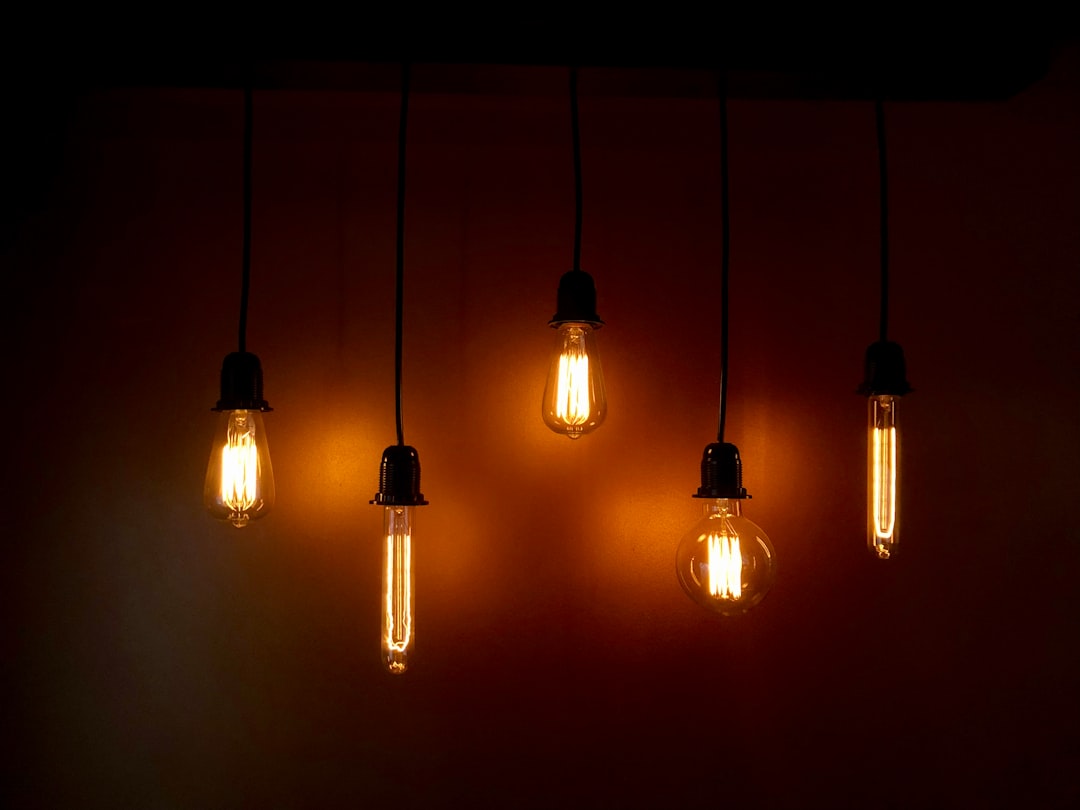
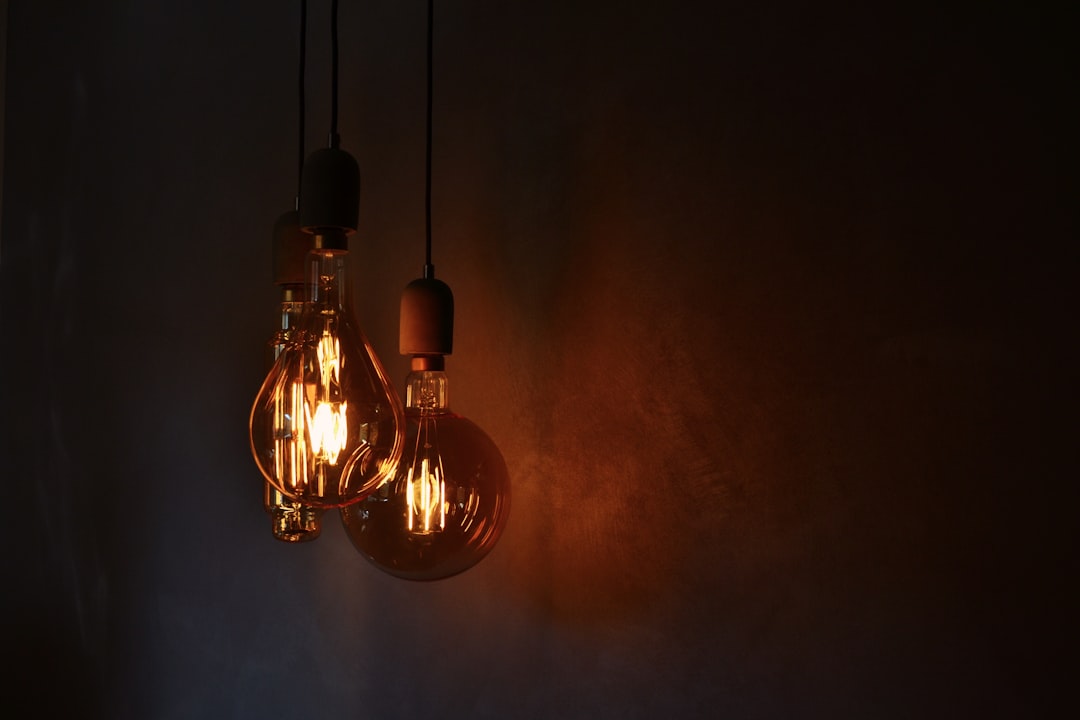
Customizing bathroom lighting allows homeowners to express their personal style while enhancing functionality. One approach is to mix and match different types of fixtures to create a unique look; for example, combining modern sconces with vintage-inspired ceiling lights can add character to the space. Additionally, using decorative bulbs or colored LED lights can introduce an element of fun and creativity.
Another idea is to incorporate smart lighting solutions that allow for customization through apps or voice commands. This technology enables users to change colors or adjust brightness levels based on their preferences or activities. Furthermore, adding dimmers or multi-way switches can provide greater control over lighting scenarios, allowing homeowners to tailor their bathroom experience according to their needs.
In conclusion, proper bathroom lighting plays a vital role in enhancing both functionality and ambiance within this essential space. By understanding the various types of fixtures available, considering key factors when making selections, and implementing thoughtful placement strategies, homeowners can create an inviting environment that meets their needs while reflecting their personal style.