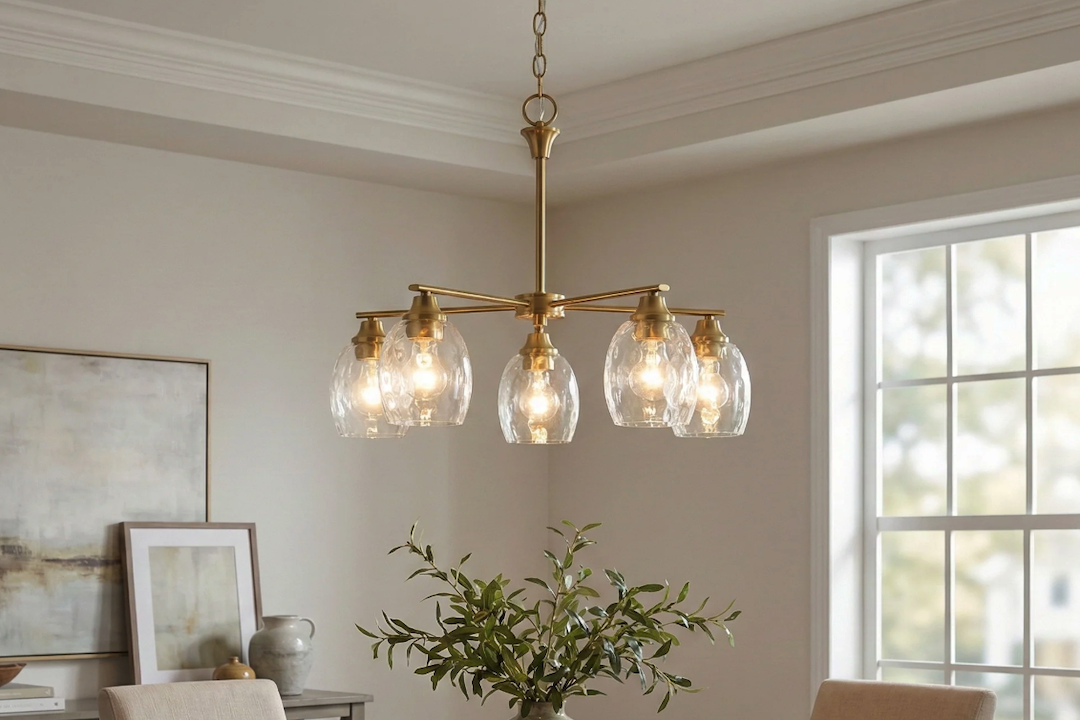
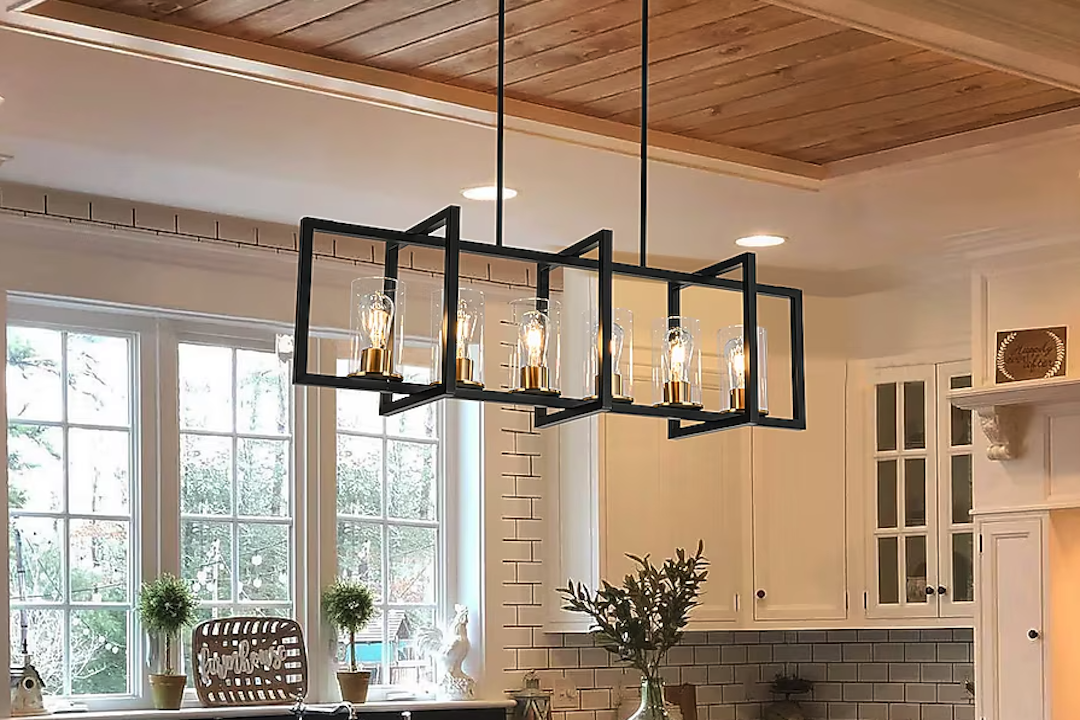
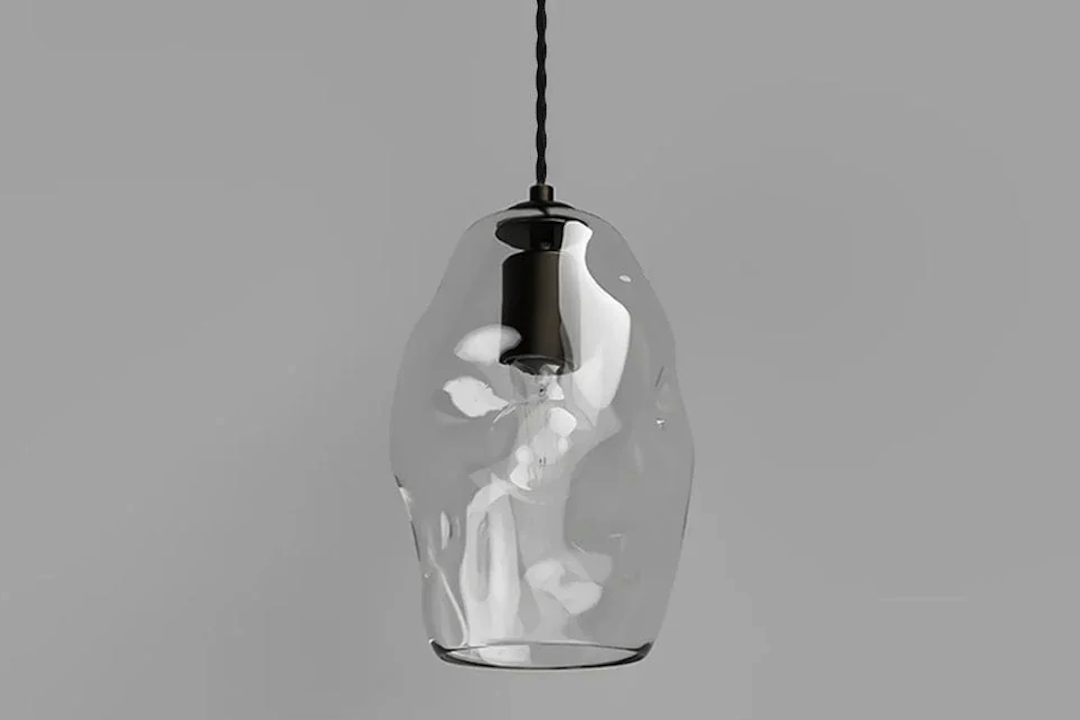
Crystal chandeliers can add a touch of sophistication and brightness to almost any room. They’re not just for grand ballrooms anymore; a well-chosen crystal chandelier can elevate a dining room, a bedroom, or even a stylish entryway. The sparkle and light reflection from the crystals can make a space feel more open and luxurious.
Why Crystal Chandeliers Endure
Crystal chandeliers Nepten have been around for centuries, and their longevity isn’t just down to fancy materials. There’s something inherently appealing about how they interact with light. The way prisms and facets catch and refract light is both beautiful and functional, making a room feel warmer and more inviting. This timeless quality is why they continue to be a popular choice for designers and homeowners alike.
Understanding Crystal: The Heart of the Chandelier
When we talk about “crystal chandeliers,” it’s important to know what we’re actually looking at. Not all crystal is created equal, and understanding the differences can help you make a more informed decision and appreciate the craftsmanship involved.
What Makes Crystal “Crystal”?
The primary ingredient that distinguishes crystal from regular glass is a higher lead oxide content. This lead oxide gives crystal its characteristic brilliance and weight. The more lead oxide, the greater the refractive index, meaning it bends and splits light more dramatically, creating that signature sparkle.
- Lead Crystal: This is what most people imagine when they think of crystal. It typically contains at least 24% lead oxide (often referred to as 24% lead crystal or full lead crystal). This high content results in excellent clarity, prismatic effects, and that satisfying heft. It’s also easier to cut and facet, allowing for intricate designs.
- Lead-Free Crystal (or Crystal Glass): Many modern crystal chandeliers use alternative metal oxides, such as barium oxide, zinc oxide, or potassium oxide, to achieve similar optical properties without the lead. While it might not have the exact same weight and historical resonance as lead crystal, modern lead-free crystal can still be very beautiful and is a good option for those concerned about lead or looking for a lighter-weight alternative. The quality can vary significantly, so it’s worth checking the specific composition if possible.
The Role of Different Crystal Cuts
The way the crystal is cut has a huge impact on how it interacts with light. Different cuts create different patterns and intensities of sparkle.
- Facets: These are the flat, polished surfaces on the crystal. The more facets and the more precisely they are cut and angled, the more light will be reflected and refracted. Think of a diamond – the way it’s cut maximizes its sparkle. The same principle applies to chandelier crystals.
- Pendalogues: These are the teardrop or elongated prism-shaped crystals that often hang from the arms of a chandelier. Their shape is designed to catch light and create a dramatic falling effect.
- Baguettes: These are longer, rectangular prisms, adding straight lines and further diffusion of light.
- Rosettes/Rosalines: These are smaller, often star-shaped or flower-shaped crystals, frequently used to embellish arms or create a denser visual effect.
The combination of high-quality crystal and skilled cutting is what transforms a simple light fixture into a dazzling centerpiece.
Styles of Crystal Chandeliers: Beyond the Traditional
When you picture a crystal chandelier, you might be thinking of something very ornate and classic. While those designs are certainly beautiful and remain popular, the world of crystal chandeliers has expanded considerably, offering options to suit a much wider range of interior styles.
The Classic Grandeur
These are the chandeliers that often come to mind: multi-tiered, with sweeping arms adorned with cascades of crystals.
- Baroque and Rococo Influences: Many classic designs draw inspiration from these historical periods, featuring elaborate metalwork, often in brass or bronze, and abundant, often hand-cut, crystal elements.
- Tiers and Levels: The tiered structure is a hallmark, with each level contributing to the overall scale and dramatic presence.
- Opulence and Statement: These are designed to be the focal point of a room, creating an atmosphere of luxury and traditional elegance.
Modern and Contemporary Interpretations
Crystal doesn’t have to mean old-fashioned. Designers have found innovative ways to incorporate its sparkle into more modern aesthetics.
- Minimalist Frameworks: Instead of heavy, ornate bases, contemporary crystal chandeliers often feature sleeker, more geometric metal structures. Think clean lines in chrome, brushed nickel, or matte black.
- Asymmetrical and Sculptural Designs: Forget symmetrical arrangements; modern chandeliers can be art pieces, with crystals arranged in unexpected patterns or flowing forms.
- Integrated LED Technology: Many contemporary designs cleverly integrate LED lighting, which can be hidden within the structure or shine through strategically placed crystals, offering energy efficiency and often the ability to change color temperature.
- Focus on Crystal as a Material: In some modern designs, the focus is purely on the crystal itself, with minimal metalwork, allowing the crystal’s clarity and sparkle to be the dominant feature. This might involve clusters of crystals or strategically placed larger pieces.
Transitional and Bohemian Flair
For those whose style bridges the gap between old and new, or for a more eclectic look, there are also great options.
- Bridging Styles: Transitional chandeliers might combine the sparkle of crystal with simpler metal finishes and a less fussy design than purely traditional models.
- Bohemian Chic: Think of chandeliers with a more relaxed, artistic feel. This could involve mixing crystal with other elements like wood or fabric, or using more playful crystal shapes and arrangements.
- Eclectic Combinations: A crystal chandelier can be a beautiful counterpoint in a room with a more eclectic or bohemian decor, adding a touch of glamour without overpowering the overall vibe.
Choosing the right style is about considering the existing decor of your space. A sleek contemporary chandelier can be surprisingly at home in a more traditional room, and vice versa, if you’re aiming for a curated, layered look.
Where to Best Showcase a Crystal Chandelier
The versatility of crystal chandeliers means they can enhance a surprising number of areas in your home, beyond the obvious choices. Think about the impact light and sparkle can have on different zones.
The Dining Room: A Classic Choice
This is arguably the most traditional spot, and for good reason.
- Elevating the Meal: A chandelier centered over the dining table instantly makes meal times feel more special. The light reflects off the table, creating a warm and inviting ambiance.
- Scale and Proportion: It’s crucial to get the size right. A chandelier that’s too small will be lost, while one that’s too large can feel overwhelming. Generally, the diameter of the chandelier should be about half to two-thirds the width of your dining table.
- Height Matters: Ensure there’s enough clearance. The bottom of the chandelier should typically hang 30-36 inches above the tabletop. This allows people to sit comfortably without their heads hitting it.
The Entryway: A Grand Welcome
Making a statement right from the moment guests step inside can set a wonderful tone for your home.
- First Impressions: An entryway chandelier is your home’s handshake. It communicates style and warmth immediately.
- Illuminating the Path: It provides crucial light for navigating the space safely as well as adding visual appeal.
- Consider Ceiling Height: Entryways often have higher ceilings, which are perfect for larger chandeliers or those with longer drops. Ensure it doesn’t obstruct the view or feel too low if the ceiling is standard.
The Living Room: Adding Layered Light
A living room benefits from multiple light sources, and a crystal chandelier can be a delightful addition.
- Ambient and Accent Lighting: It can provide general ambient light, but its true magic is in how it adds sparkle and interest, acting as a visual anchor.
- Creating a Focal Point: In a well-designed living room, a chandelier can draw the eye and become a beautiful decorative element even when it’s not illuminated.
- Dimmer Switch is Key: For a living room, a dimmer switch is almost essential. This allows you to adjust the mood from bright and airy for daytime to soft and intimate for evenings.
The Bedroom: A Touch of Personal Luxury
Who says bedrooms can’t have a bit of glamour? A crystal chandelier can add a romantic or sophisticated touch to your private sanctuary.
- Soft and Diffused Light: Choose designs that offer softer, diffused light rather than harsh, direct glare. Shades or frosted elements can help.
- Mood Setting: A bedroom chandelier is perfect for creating a tranquil or romantic atmosphere. Again, a dimmer is highly recommended.
- Size Appropriately: It should complement the scale of your bedroom furniture without overwhelming it. Over a bedside table, a smaller, more delicate crystal pendant might work well, while a central chandelier will be a more significant statement.
Beyond the Main Rooms: Unexpected Places
Don’t limit yourself to the obvious. Crystal chandeliers can work in many other areas.
- A Stylish Bathroom: A smaller, carefully chosen crystal chandelier in a larger bathroom can add an unexpected touch of luxury, especially if it’s designed with moisture-resistant components.
- A Home Office: For some, a touch of sparkle can inspire creativity. A more modern or delicate crystal fixture might be suitable.
- Hallways and Staircases: A long hallway or a grand staircase can be dramatically enhanced by a well-placed chandelier.
When deciding where to place your chandelier, always consider the room’s function, ceiling height, and the overall aesthetic you want to achieve.
Installation and Maintenance: Keeping Your Crystal Sparkling
A beautiful crystal chandelier is a significant investment, and proper installation and regular maintenance will ensure it continues to shine for years to come.
Professional Installation: Worth Considering
While some DIY enthusiasts might tackle chandelier installation, it’s often wise to leave it to the professionals, especially for larger or more complex fixtures.
- Electrical Safety: Chandeliers involve electrical wiring. An electrician will ensure the fixture is properly grounded and connected, preventing hazards.
- Weight Considerations: Larger chandeliers can be very heavy. Professionals have the tools and expertise to securely mount them, especially on ceilings that might not be designed for such a load.
- Proper Mounting Hardware: The right type of mounting box and hardware is critical for safety and stability.
- Following Instructions: Manufacturers provide specific installation guidelines for a reason; professionals are trained to follow them precisely.
Regular Cleaning: The Key to Brilliance
Dust is the enemy of sparkle. Regular light cleaning and occasional deep cleaning will make a world of difference.
- Dusting (Frequent): The easiest and most frequent task is dusting.
- Materials: Use a soft, lint-free microfiber cloth or a feather duster specifically designed for delicate items.
- Technique: Gently wipe down each crystal and the metal components. For chandeliers with numerous small crystals, this can take time. Work from the top down.
- Safety First: Ensure the chandelier is turned off and cool before you start. If possible, consider turning off the breaker to the fixture for added safety.
- Deep Cleaning (Occasional): Every few months to a year, depending on your environment, a more thorough cleaning might be necessary.
- Dismantling (Carefully): For a deep clean, you might need to carefully remove some of the crystals and components. Take pictures as you go to help remember how to reassemble everything. Labeling individual parts can also be very useful.
- Washing Crystals:
- Method 1 (Gentle Soap): Mix a small amount of mild dish soap with distilled water in a basin. Dip a soft cloth or sponge into the solution, wring it out thoroughly so it’s just damp, and gently wipe each crystal. Avoid excess water, as it can leave streaks or damage the metal findings.
- Method 2 (Specialized Cleaner): There are commercial crystal cleaners available. Follow their instructions carefully. Some are spray-on, while others require a wiping solution.
- Rinsing (If Needed): If you use soap, you might need to rinse by wiping with a cloth dampened with just plain distilled water, again ensuring it’s not too wet.
- Drying: This is critical for preventing water spots and streaks. Use a clean, dry, lint-free microfiber cloth to dry each crystal meticulously. You might also use canned air to dry smaller crevices or findings once the bulk of the water is removed.
- Reassembly: Carefully reassemble the chandelier, referring to your photos or labels. Ensure all components are securely attached.
Special Considerations
- Metal Finishes: The cleaning method for the metal frame will depend on its finish (brass, bronze, nickel, etc.). Use appropriate metal polishes designed for that specific finish, being careful not to get polish on the crystals.
- Chandelier with Shade: If your chandelier has fabric or glass shades, clean them according to their material. Fabric shades may need vacuuming or spot cleaning, while glass shades can be wiped with a damp cloth.
- Frequency: The frequency of deep cleaning depends on your environment. If you live in a dusty area or near a busy road, you’ll need to clean more often.
By taking good care of your crystal chandelier, you maintain its beauty and ensure it remains a stunning feature of your home for years.
Choosing the Right Crystal Chandelier for Your Space
With so many options available, selecting the perfect crystal chandelier can feel overwhelming. It’s about balancing aesthetics, practicality, and personal taste.
Assess Your Room’s Style and Scale
The first and most crucial step is to look at the room where the chandelier will go.
- Existing Decor: Does the room lean towards traditional, modern, transitional, or something else? While you can mix styles, a chandelier that’s wildly out of sync might feel jarring.
- Ceiling Height: This is a major factor. High ceilings can accommodate grand, multi-tiered chandeliers with longer drops. Standard or lower ceilings will require more streamlined designs with shorter hanging lengths to avoid feeling top-heavy or obstructive. Measure from the floor to the ceiling.
- Room Size: A small sitting room won’t benefit from a massive ballroom-sized chandelier, and a large living space might look sparse with a tiny pendant.
Consider the Light Quality You Want
Crystal chandeliers are about light, so think about the kind of illumination you need and desire.
- Brightness: Do you want a chandelier that casts a bright, ambient light, or something more subdued and atmospheric? The number of bulbs, their wattage, and the way the crystals diffuse the light will all play a role.
- Warmth vs. Coolness: The metal finish of the chandelier and the type of bulbs you use will influence the color temperature of the light. Warmer, more golden tones are generally perceived as more inviting than stark, cool white light.
- Sparkle Factor: How much sparkle are you looking for? This comes down to the quality and cut of the crystal, as well as the density of crystal elements. Full lead crystal with intricate cuts will offer more dramatic sparkle.
The Bulb Choice Matters
The type of bulbs you use in your chandelier can significantly impact its overall appearance and light quality.
- Incandescent Bulbs: These produce a warm, traditional glow that many people associate with classic lighting. However, they are less energy-efficient.
- Halogen Bulbs: A brighter, whiter light than incandescent, offering good clarity. They are also less energy-efficient than LEDs.
- LED Bulbs: The most energy-efficient option. They come in a wide range of color temperatures (warm white to cool white) and can even be dimmable and offer smart home integration. Look for LEDs designed for chandeliers, often with candelabra bases. Ensuring they fit behind or within the crystal structure without looking awkward is key.
Budget and Material Quality
Crystal chandeliers range dramatically in price. Setting a budget early on can help narrow down your choices.
- Price vs. Quality: Generally, higher-quality crystal (like full lead crystal) and more intricate designs will command higher prices.
- Research Brands: Reputable lighting manufacturers often have more consistent quality and better warranties.
- Don’t Sacrifice Safety: Whatever your budget, ensure the fixture is UL-listed or certified by a recognized safety organization, indicating it has met safety standards.
By thoughtfully considering these points, you can move beyond just liking a chandelier and choose one that truly enhances your space, providing both beauty and functional illumination.