Proper kitchen lighting is essential for both functionality and ambiance. A well-lit kitchen enhances the cooking experience, allowing for better visibility when preparing meals and ensuring safety while using sharp tools and hot surfaces. Inadequate lighting can lead to accidents, such as cutting oneself or misjudging the temperature of a stove. Moreover, the kitchen is often a gathering place in the home, where family and friends come together to share meals and conversations. Therefore, the right lighting can create a welcoming atmosphere that encourages social interaction.
In addition to safety and social aspects, proper kitchen lighting Fasuhouse can significantly impact the overall design and aesthetic of the space. Different lighting types can highlight architectural features, showcase decorative elements, and create a mood that aligns with the homeowner’s style. A well-thought-out lighting plan can transform a mundane kitchen into a vibrant and inviting area, making it a focal point of the home. Thus, understanding the various lighting options available is crucial for anyone looking to enhance their kitchen environment.
Overhead Lighting Options
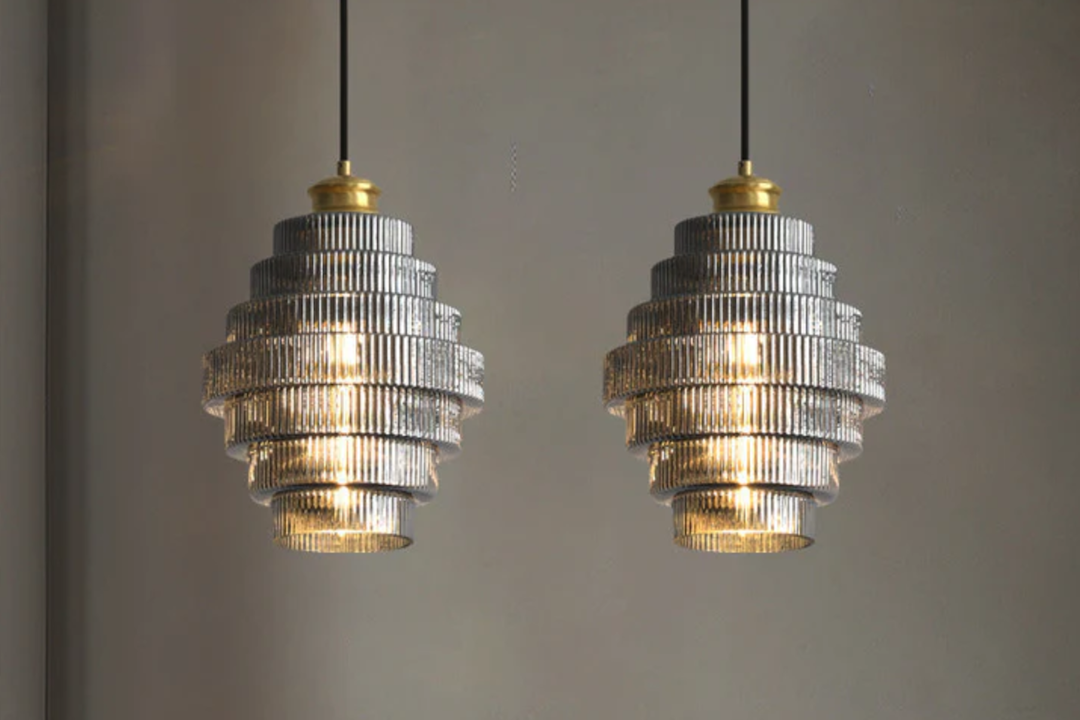
Overhead lighting serves as the primary source of illumination in most kitchens. It typically includes ceiling-mounted fixtures such as chandeliers, pendant lights, and flush mounts. Each type offers distinct advantages depending on the kitchen’s layout and design. For instance, pendant lights can provide focused light over an island or dining area, while flush mounts offer a more general illumination that works well in smaller spaces. The choice of overhead lighting can set the tone for the entire kitchen, influencing both its functionality and aesthetic appeal.
When selecting overhead lighting, it is important to consider the height of the ceiling and the overall size of the kitchen. In spaces with high ceilings, larger fixtures or multiple pendant lights may be necessary to ensure adequate illumination. Conversely, in kitchens with lower ceilings, flush-mounted lights or slimline fixtures can help avoid a cramped feeling while still providing sufficient light. Additionally, dimmable options can offer flexibility, allowing homeowners to adjust brightness levels according to different activities or times of day.
Under Cabinet Lighting Solutions
Under cabinet lighting is an effective way to enhance visibility on countertops and work surfaces. This type of lighting is installed beneath cabinets, providing direct illumination where it is most needed without creating harsh shadows. LED strip lights are a popular choice for under cabinet applications due to their low profile and energy efficiency. They can be easily cut to fit specific lengths and come in various color temperatures, allowing homeowners to customize the ambiance of their kitchen.
In addition to LED strips, puck lights and linear fixtures are also viable under cabinet options. Puck lights offer a more focused beam of light, making them suitable for highlighting specific areas or features, such as a cutting board or a decorative backsplash. Linear fixtures provide a more uniform light distribution across longer stretches of counter space. Regardless of the choice, under cabinet lighting not only improves functionality but also adds depth and dimension to the kitchen design.
Task Lighting for Specific Work Areas
Task lighting is designed to illuminate specific areas where detailed work is performed, such as food preparation zones, cooking surfaces, and sinks. This type of lighting is crucial for ensuring that tasks can be completed safely and efficiently. For example, bright lights above the stove can help cooks monitor food as it cooks, while focused lighting over a cutting board can prevent accidents caused by poor visibility.
When planning task lighting, it is important to consider the placement and intensity of the fixtures. Adjustable fixtures, such as swing-arm lamps or track lighting, can provide flexibility in directing light exactly where it is needed. Additionally, incorporating multiple layers of task lighting throughout the kitchen can create a more functional environment. By combining different types of task lighting with ambient and accent lighting, homeowners can achieve a well-balanced illumination scheme that enhances both usability and comfort.
Accent Lighting for Aesthetic Appeal
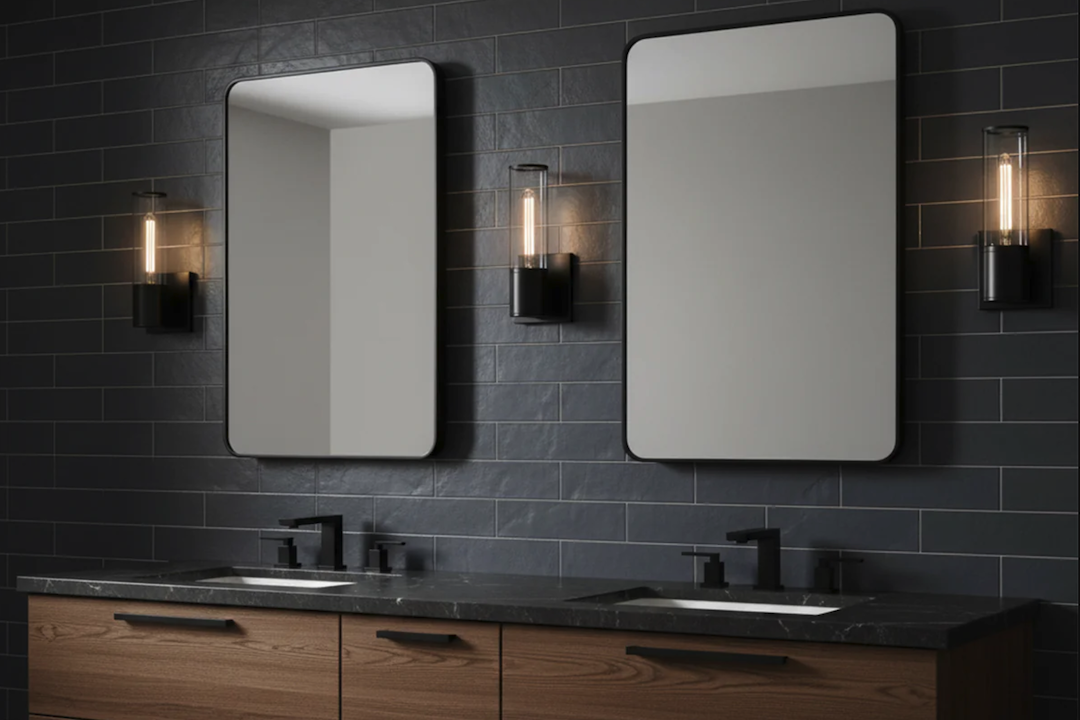
Accent lighting serves primarily to enhance the visual appeal of a kitchen by highlighting specific features or areas. This type of lighting can draw attention to artwork, architectural details, or decorative elements such as glass-front cabinets or unique backsplashes. By strategically placing accent lights, homeowners can create focal points that add character and interest to the space.
Common accent lighting options include wall sconces, spotlights, and LED strips that can be used to illuminate shelves or display areas. The use of colored or adjustable lights can further enhance the aesthetic impact by allowing homeowners to change the mood of the kitchen according to different occasions or personal preferences. Accent lighting not only contributes to the overall design but also adds depth and dimension to the kitchen environment.
Energy-Efficient Lighting Choices
With growing concerns about energy consumption and environmental impact, energy-efficient lighting options have become increasingly popular in kitchen design. LED bulbs are among the most efficient choices available today, consuming significantly less energy than traditional incandescent bulbs while providing comparable brightness levels. Additionally, LEDs have a longer lifespan, reducing the frequency of replacements and contributing to lower overall costs.
Incorporating energy-efficient fixtures into kitchen design not only benefits the environment but also aligns with modern sustainability practices. Many manufacturers now offer energy-efficient options across various styles and designs, making it easier for homeowners to find suitable solutions that match their aesthetic preferences. By choosing energy-efficient lighting, homeowners can enjoy reduced energy bills while contributing to a more sustainable future.
Smart Lighting Technology for Convenience
Smart lighting technology has revolutionized how homeowners interact with their kitchen environments. With smart bulbs and fixtures, users can control their lighting through mobile apps or voice commands via smart home devices. This level of convenience allows for easy adjustments in brightness and color temperature based on specific needs or preferences.
Moreover, smart lighting systems often come with programmable features that enable users to set schedules or create scenes tailored to different activities. For instance, a morning routine might include bright white light for energizing tasks like meal prep, while an evening setting could feature warmer tones for relaxation during family dinners. The integration of smart technology not only enhances convenience but also allows for greater customization in creating an ideal kitchen atmosphere.
Creative DIY Lighting Projects
For those looking to add a personal touch to their kitchen lighting without incurring significant costs, DIY projects offer an excellent opportunity for creativity and customization. Simple projects such as repurposing vintage fixtures or creating custom pendant lights from everyday materials can add unique character to the space. For example, using mason jars as pendant lights can create a rustic charm while providing functional illumination.
Another popular DIY project involves creating under cabinet lighting using LED strips or battery-operated puck lights. These projects are often straightforward and require minimal tools or expertise, making them accessible for many homeowners. By engaging in DIY lighting projects, individuals can not only save money but also infuse their kitchens with personal style and creativity that reflects their tastes and preferences.
In conclusion, proper kitchen lighting plays a vital role in enhancing both functionality and aesthetics within this essential space of the home. By exploring various overhead options, under cabinet solutions, task-specific illuminations, accent features, energy-efficient choices, smart technology integrations, and creative DIY projects, homeowners can create a well-lit environment that meets their needs while reflecting their personal style. Investing time and thought into kitchen lighting design ultimately leads to a more enjoyable cooking experience and a welcoming atmosphere for family gatherings and social interactions.